Coverage vs. Amount of Loss in Property Appraisal
The appraisal clause resolves how much a covered loss is worth — not whether the policy covers it. Knowing the difference keeps you from spending an appraisal cycle on a question appraisal can't answer.
By Marshall Smith, IAUA CPAU Certified Insurance Appraiser · Published August 24, 2026 · 7 min read · Filed under Policy & Coverage
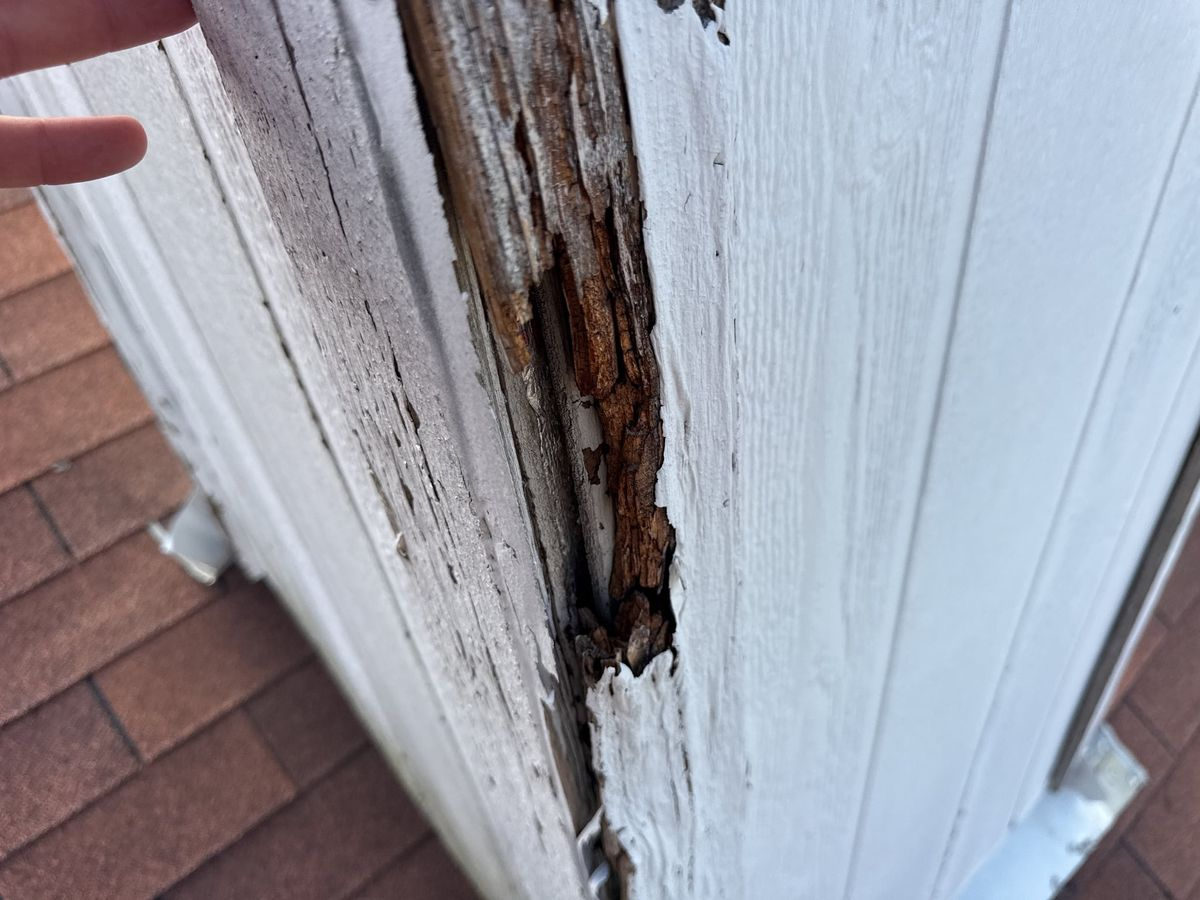
The property insurance appraisal clause is built to answer one question: how much is a covered loss worth? It settles the dollar amount and the scope of repairs when you and your carrier agree damage occurred but disagree on the number. What it does not decide is whether the loss is covered in the first place. That is a coverage question, and coverage questions are resolved through your policy's other provisions, through your state's regulators, or — when they cannot be worked out — through the courts. Sorting which of those two categories your disagreement falls into, before you invoke anything, is the single most useful step you can take.
Every property claim really contains two separate questions stacked on top of each other. The first is whether the policy responds at all. The second is how much it should pay once it responds. When homeowners describe feeling stuck, the confusion almost always traces back to treating those two questions as one. Appraisal is a precision tool for the second question, and using it on the first only burns time.
What the appraisal clause is actually designed to decide
Most property policies contain an appraisal provision that either party may invoke when there is a disagreement about the value of a loss. Each side selects a competent, independent appraiser; the two appraisers select a neutral umpire; and the panel determines the amount of loss — the cost to repair or replace the damaged property, and the scope of work that cost is based on.
That includes the pricing of line items, the extent of the damaged area, whether a partial repair or a full replacement is required to restore the property, and how replacement cost value and actual cash value translate into a number. If you and the carrier agree a hailstorm damaged the roof but land on different figures for the repair, that is squarely an amount-of-loss dispute, and the appraisal clause exists to resolve exactly that. The two estimates on the same roof rarely match, and reconciling them is what the panel does.
What the panel does not do is interpret the contract. It does not decide whether a policy exclusion applies, whether a deadline was met, or whether the cause of the damage is a covered peril. Those determinations live outside the appraisal award.
The disputes that fall outside appraisal — and who handles them
A coverage dispute is any disagreement about whether the policy owes payment at all, independent of the amount. Common examples include:
- Causation calls tied to an exclusion. If a carrier concludes damage resulted from long-term wear, a maintenance issue, or an excluded cause rather than a covered event, that is a coverage position, not a valuation. (The line here can blur — more on that below.)
- Application of a specific exclusion or limitation. Questions about whether an anti-concurrent-causation clause, a cosmetic-damage limitation, or a water-damage sublimit applies are contract-interpretation questions.
- Policy conditions and deadlines. Late notice, missed proof-of-loss requirements, or lapsed coverage are conditions, not amounts.
- Whether a peril is covered at all. If flood is excluded and the loss is flood, no appraisal award changes that.
These are resolved by reading the policy carefully with the carrier, by requesting a written explanation of the basis for the position, by involving your state's department of insurance where appropriate, or — when the parties genuinely cannot agree on what the contract means — through legal channels. Our overview of alternative dispute resolution and demand for appraisal walks through where each path fits.
When a claim is part coverage, part amount
Real claims are rarely tidy. The most common source of confusion — and the situation that sends people down the wrong road — is the mixed dispute, where scope and coverage are tangled together.
Picture a claim where the carrier agrees the roof sustained some covered damage but attributes part of the observed condition to age or prior wear. There is an amount-of-loss component (what does it cost to repair the damage everyone agrees is covered?) and a coverage-flavored component (is the disputed portion covered damage or excluded wear?). Where does that belong?
The honest answer is that it depends on how the disagreement is framed. When both sides accept that a covered peril caused damage and only disagree about how much of the roof that peril affected, appraisal panels routinely resolve it as a scope question — the panel decides the extent of the covered damage. When the dispute is genuinely about whether a peril is covered at all, that piece sits outside the award.
Because the categories overlap, many mixed claims get sorted in stages: the coverage question is clarified first, and once the parties agree on what is covered, the remaining fight over the number goes to appraisal. Trying to run it in the reverse order — invoking appraisal while a live coverage dispute is unresolved — often produces an award that the carrier then contests as having decided a coverage question, which helps no one.
Read your declarations and conditions before you invoke anything
Before you demand appraisal, spend an hour with your policy. The two sections that tell you which question you're really dealing with are the declarations page and the conditions.
The declarations page shows your coverages, limits, deductibles, and any endorsements or exclusions attached to your specific policy. It tells you whether the peril at issue is covered and up to what limit. The conditions section spells out the duties after a loss, the appraisal provision itself, and the requirements each party must meet.
If your reading shows the carrier has accepted the loss as covered and the only distance between you is the dollar figure, appraisal is likely your mechanism. If your reading shows the disagreement is really about an exclusion, a limit, or a deadline, appraisal will not reach it — and recognizing that now saves an entire cycle. When you're ready to move forward on a true amount-of-loss dispute, our guide on how to invoke the appraisal clause in Texas covers the mechanics.
Why clarifying coverage up front saves an appraisal cycle
An appraisal that resolves a number nobody disputes accomplishes nothing, and an appraisal award on a claim where coverage was never settled invites the carrier to challenge the award's reach. Both outcomes cost weeks.
Getting a written statement of the carrier's position is the fastest way to see which question you're in. If the letter explains a value — an estimate, a scope, a figure — you're in amount-of-loss territory and appraisal is designed for you. If the letter cites an exclusion, condition, or coverage limit, you have a coverage question to address first. Asking the carrier to identify the specific policy language it relies on turns a vague disagreement into a defined one, and a defined disagreement is one you can route correctly.
When to consult an attorney and when to demand appraisal
Use this as a rough guide:
- Demand appraisal when coverage is accepted and the disagreement is about the amount or scope of a covered loss. This is the efficient, contractual, non-litigation route both parties already agreed to in the policy.
- Consult an attorney when the core dispute is whether the policy responds at all — an exclusion, a denied peril, a missed condition, or a contract-interpretation question an appraisal panel has no authority to decide.
The two paths are not competitors, and they often work in sequence: coverage clarified first, amount resolved through appraisal second. For a fuller side-by-side of the two mechanisms, see our comparison of appraisal versus litigation, and our appraisal process FAQ answers many of the threshold questions homeowners raise.
A few questions property owners still ask
Can appraisal decide whether my roof damage was caused by hail or by wear? Sometimes, when framed as a scope question within an accepted covered loss; not when it is framed as whether a covered peril applies at all. The wording of the dispute controls.
If I invoke appraisal, do I give up my right to raise a coverage issue later? An appraisal award decides the amount of loss. Coverage questions generally remain separate. Because the interaction varies by policy and by how the dispute was framed, it's worth confirming your specific situation before you proceed.
The carrier says it's a coverage matter and I think it's just a low number. What now? Get the position in writing and identify the policy language cited. That single step usually reveals which question you're actually in.
Talk it through before you decide
If you're unsure whether your disagreement is about coverage or about the amount of a covered loss, a short conversation can point you to the right path before you spend time on the wrong one. Marshall Services offers a free consultation on property insurance appraisal and umpire matters across Texas, Louisiana, Oklahoma, Colorado, and California. Call 972-322-0752 to talk it through.