Home Insurance Appraiser: What They Do & When to Use
A home insurance appraiser is an independent professional who settles the dollar amount of a covered residential loss when you and your insurer disagree. Here's how the role works and when the appraisal clause applies.
By Marshall Smith, IAUA CPAU Certified Insurance Appraiser · Published August 28, 2026 · 7 min read · Filed under Appraisal Process
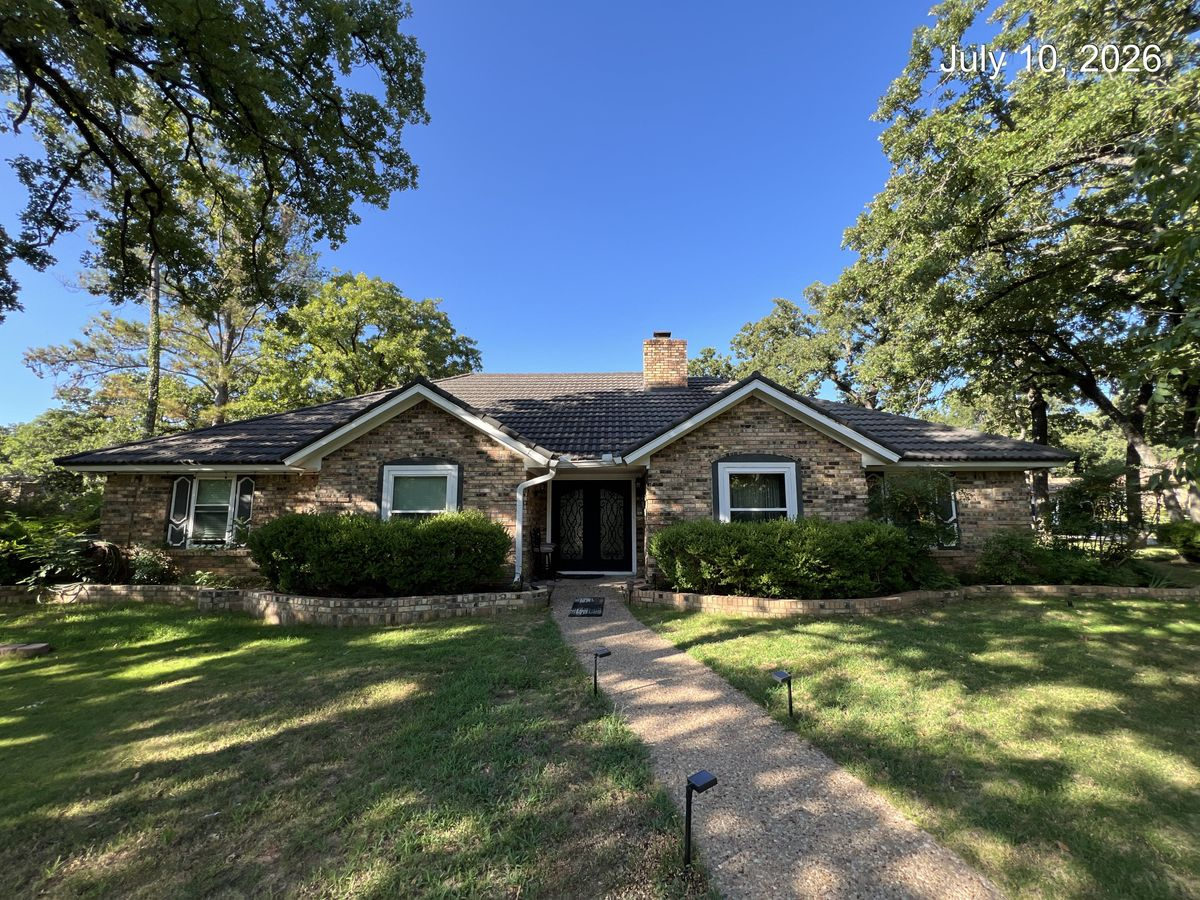
A home insurance appraiser is an independent, impartial professional who determines the dollar amount of a covered residential property loss when a homeowner and their insurance company cannot agree on that figure. The appraiser is hired through a provision that already exists in most homeowners policies — the appraisal clause — and the process is a structured, contractual way to settle a disagreement about how much a loss is worth, not whether it is covered. If you have a covered claim, you have an estimate, the carrier has an estimate, and the two numbers are far apart, the appraisal clause is the mechanism your policy gives you to close that gap without going to court.
That is the short answer. The rest of this guide explains how the role works, how it differs from the adjusters you have probably already met, and the situations where invoking appraisal makes sense.
What a home insurance appraiser actually is
Think of a home insurance appraiser as a specialist in valuing property damage. Their job is to inspect the loss, build a detailed scope of what was damaged and what it costs to repair or replace, and represent that valuation through the appraisal process. A qualified appraiser works from the same measurable evidence a careful contractor or engineer would rely on — field measurements, photographs, moisture readings, roof test squares, and line-item repair pricing — and translates it into a defensible number.
The key word is impartial. Although each side names its own appraiser, a credible appraiser is not an advocate who inflates or deflates a figure to please whoever hired them. Certified appraisers are expected to reach the number the evidence supports, because the process is built on two independent valuations meeting somewhere the facts can justify. An appraiser who simply argues a position undermines the whole exercise.
Appraiser, field adjuster, public adjuster: three different jobs
Homeowners often use these titles interchangeably, but they are distinct roles, and knowing the difference tells you who to call and when.
The field adjuster works for your insurance company. After you report a claim, the carrier assigns an adjuster to inspect the damage, apply the policy, and recommend what the insurer will pay. They are competent professionals, but they represent the carrier's file.
A public adjuster works for you, the policyholder, usually for a percentage of the settlement. A public adjuster manages your claim from the inside — documenting damage, preparing estimates, and negotiating directly with the carrier. Their role runs throughout the claim, not just in a dispute. We compare these two roles in more depth in our guide on public adjusters versus appraisers.
An appraiser enters only when the amount of loss is formally in dispute and the appraisal clause is invoked. Unlike an adjuster or public adjuster, an appraiser participates in a binding valuation procedure with a defined structure and a defined endpoint: a written award. A public adjuster negotiates; an appraiser participates in a decision.
The appraisal clause: a tool your policy already gives you
The appraisal clause is standard language buried in the conditions section of most homeowners policies. In plain terms, it says that if the homeowner and the insurer disagree on the amount of a loss, either party may demand appraisal. Each side then selects a competent, independent appraiser, and those two appraisers select a neutral third party called an umpire.
Because you agreed to this clause when you bought the policy — and so did your carrier — appraisal is not a lawsuit or a complaint. It is a contractual remedy both parties consented to in advance. That is what makes it faster and less adversarial than litigation for the narrow question it answers. If you want the procedural steps in detail, our post on how to invoke the appraisal clause walks through the demand and the timeline.
Amount of loss, not coverage — the line that matters most
This distinction decides whether appraisal is even the right tool, so it deserves its own moment. Appraisal resolves the amount of a loss. It does not resolve whether a loss is covered.
If your carrier agrees the storm damaged your roof but values the repair at one figure while your contractor's estimate lands well above it, that is an amount-of-loss dispute — squarely inside what appraisal is built to settle. But if the carrier denies the claim outright, argues that a peril is excluded, or says the damage predates the policy period, that is a coverage dispute, and appraisers have no authority to decide it. Coverage questions belong to the policy language, and sometimes to an attorney or a court.
Many real claims are part coverage and part amount, which is why sorting the two out early saves time. We cover that split in detail in coverage versus amount of loss in property appraisal. If the disagreement is purely about the dollar figure of an accepted loss, appraisal fits.
How two appraisers and an umpire reach an award
Here is the structure that makes the process fair. Once appraisal is demanded, three people do the work:
- The homeowner's appraiser inspects the property and prepares an independent valuation.
- The insurer's appraiser does the same from the carrier's side.
- The umpire, a neutral third party the two appraisers agree on, steps in only when the two appraisers cannot reconcile their figures.
The two appraisers first try to agree between themselves. Often they can — once both are working from the same measured evidence, many differences narrow quickly. When line items remain in dispute, those specific items go to the umpire, who reviews the evidence and rules on them.
An award is reached when any two of the three sign off on the value. That means the two appraisers can agree without the umpire ever ruling, or the umpire can side with one appraiser to form a majority. The signed award establishes the amount of loss, and the carrier then applies the policy — deductibles, depreciation, and limits — to that figure. Our umpire services page explains the neutral role in more depth.
The situations that most often lead homeowners to appraisal
In aggregate, certain property-damage patterns reach appraisal more than others. Disputes over hail and wind roof damage are common, because reasonable professionals can measure the same roof and scope it differently. Water-damage claims frequently turn on how much of the surrounding material must be replaced. Fire and smoke losses raise questions about how far cleaning and restoration must extend. Larger losses — where the two estimates differ by a wide margin — are naturally more likely to end up in appraisal than small ones.
What these have in common is not a bad actor. It is genuine, defensible disagreement about scope and pricing between two informed parties. That is exactly the situation the appraisal clause was written for.
The estimates and records the process leans on
Appraisal is only as good as the documentation behind it. A strong file usually includes detailed photographs taken before repairs, a line-item repair estimate (often prepared in industry-standard estimating software), field measurements, and any moisture readings or test-square results relevant to the peril. The more thoroughly a loss is documented before appraisal begins, the faster the two appraisers can find common ground and the less there is for an umpire to resolve.
Choosing an appraiser or umpire you can rely on
Look for genuine independence, a recognized certification, and hands-on familiarity with your peril and property type. A residential roof, a fire-damaged interior, and a total loss each call for different experience. Ask how the appraiser documents damage, whether they inspect in person, and how they handle the line between amount and coverage. You can see the full scope of what an appraiser and umpire practice covers on our services page.
Questions homeowners still ask
Is an appraisal award binding? Generally yes, on the amount of loss — that is the point of the process. It does not decide coverage.
Can I invoke appraisal after the carrier has already paid? Often, if the disagreement is over the amount and the clause hasn't been waived. Read your policy conditions.
Who pays for the appraiser? Typically each party pays its own appraiser and the two sides split the umpire's fee, but your policy language controls.
Talk it over before you take the next step
If your homeowners claim has stalled on the amount of loss, a brief conversation can tell you whether appraisal is the right fit. Marshall Services offers a free consultation to walk through your situation. Call 972-322-0752 to talk it through.