What Is an Insurance Appraisal? Process Explained
An insurance appraisal is the contractual process for settling how much a covered property loss is worth when you and your carrier disagree. Here is how it works, step by step.
By Marshall Smith, IAUA CPAU Certified Insurance Appraiser · Published August 28, 2026 · 7 min read · Filed under Appraisal Process
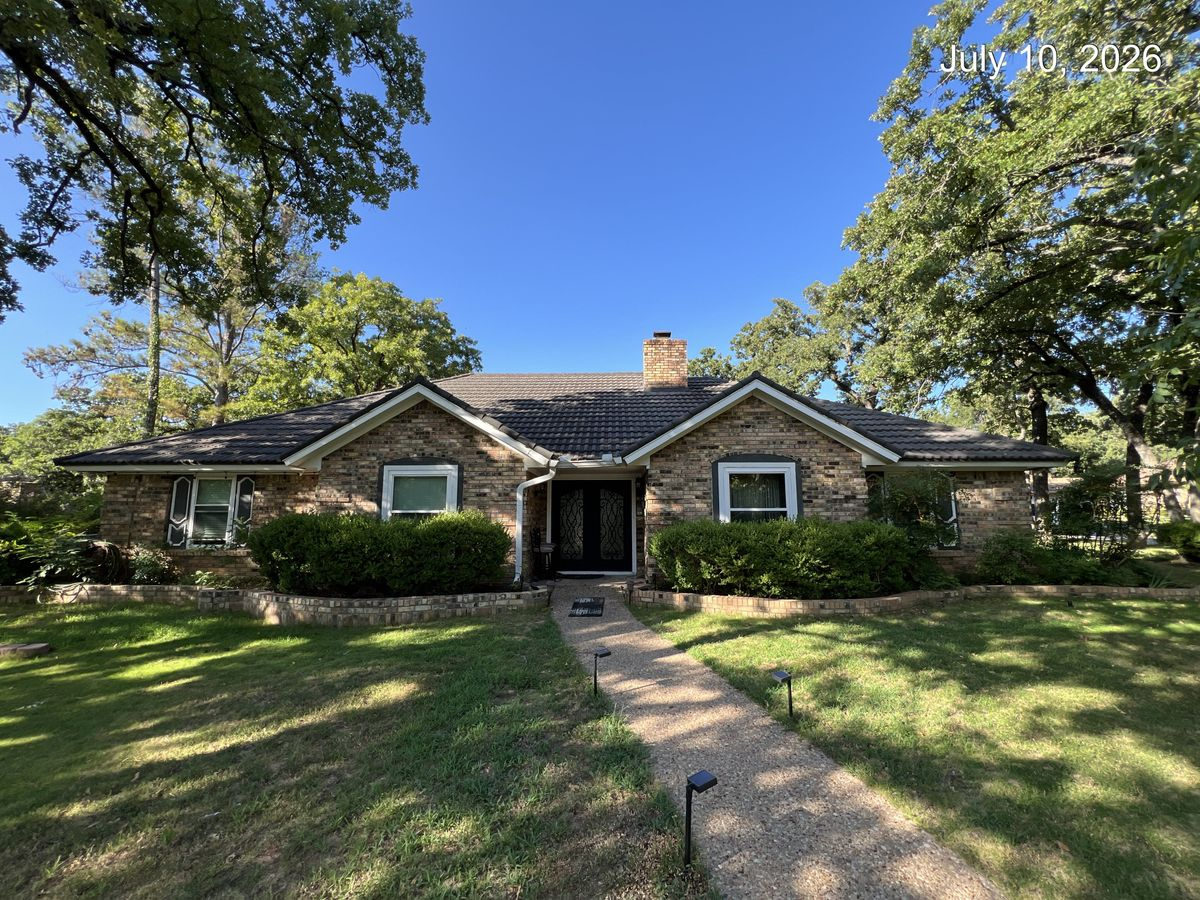
An insurance appraisal is a structured, contractual process for settling one specific disagreement: how much a covered property loss is worth. When a policyholder and an insurance carrier agree that damage is covered but cannot agree on the dollar amount to repair or replace it, most property policies give either side the right to invoke appraisal. Each party names an independent appraiser, the two appraisers work toward a figure, and if they cannot agree, a neutral umpire decides the difference. The result — called an award — resolves the amount of loss without a lawsuit. That is the whole idea in a sentence. Everything below explains the mechanics.
This applies to property claims only — homes, commercial buildings, apartments, and their contents. It is not the same tool used for vehicles, and it is not a way to reargue whether a claim should be paid at all.
The one thing appraisal decides — and the one thing it doesn't
Appraisal answers how much. It does not answer whether.
That distinction is the single most useful thing to understand before you invoke anything. If your carrier agrees your roof is damaged by a covered peril but its estimate and your estimate are far apart, that is an amount-of-loss dispute, and it is exactly what appraisal is built to resolve. If the carrier has denied the claim outright, applied an exclusion, or taken the position that the damage isn't covered at all, that is a coverage dispute — and coverage questions fall outside the appraisal panel's authority.
Many real claims are a blend of both. A single loss can have a covered portion whose value is disputed and a separate portion the carrier contests on coverage grounds. Sorting out which is which before you begin saves a wasted cycle. We cover that split in detail in coverage vs. amount of loss in property appraisal, which is worth reading alongside this one.
Where the right to appraise comes from
You are not asking a favor when you demand appraisal. You are exercising a term already written into your policy.
Most property insurance contracts contain an appraisal clause in the conditions section. It typically reads that if the two sides fail to agree on the amount of loss, either party may make a written demand for appraisal, each selects a "competent and impartial" appraiser within a set number of days, and the two appraisers select an umpire. It is a standard provision, agreed to by both policyholder and carrier when the policy was issued. In that sense appraisal isn't adversarial by design — it's the pre-agreed mechanism both parties signed up to use when numbers diverge.
Because the exact wording, deadlines, and requirements vary by policy and by state, the clause in your own declarations and conditions is the one that governs. Reading it first tells you your timelines and your obligations before you act.
The three roles that make an appraisal work
An appraisal panel is three people, each with a defined job.
The policyholder's appraiser. You retain an independent appraiser to inspect the property, document the damage, and prepare a detailed estimate of the loss. This person advocates for an accurate, well-supported number — not an inflated one. Credibility with the umpire depends on the evidence, so a defensible scope matters more than an ambitious total.
The carrier's appraiser. The insurance company names its own independent appraiser, who does the same work from the carrier's file and its own inspection.
The umpire. If the two appraisers reach the same number, that's the award and there's no need for an umpire's decision. When they don't, the neutral umpire reviews both positions and rules on the items still in dispute. An award agreed to by any two of the three — most often one appraiser and the umpire — is binding as to the amount. The umpire is meant to be genuinely impartial, which is why selection matters; our guide to the insurance umpire process walks through how umpires are chosen and how they decide.
How an appraisal actually unfolds
The sequence is consistent even though the timing varies from claim to claim.
The demand. One party sends a written demand for appraisal that satisfies the clause's requirements. Getting this right procedurally is important, and the mechanics differ by state — see how to invoke the appraisal clause for the step-by-step.
Appraiser selection. Each side names its appraiser within the deadline the policy sets.
Umpire selection. The two appraisers agree on an umpire. If they can't agree within the allowed window, the clause usually provides for a court to appoint one.
Inspection and documentation. Each appraiser inspects the property and builds a scope of loss — measurements, photographs, material and labor pricing, and any code or matching considerations that apply.
Exchange and negotiation. The appraisers compare estimates line by line, resolve what they can, and narrow the list to the items where they genuinely differ.
The umpire's award. For anything still open, the umpire reviews both sides and issues a decision. Two matching signatures set the award, and it binds the amount of loss.
The claim then closes out according to the policy, with the carrier applying deductibles and any recoverable-depreciation terms to the awarded figure.
What appraisal is not: litigation and public adjusting
Appraisal is often confused with two other paths, and each does something different.
Litigation is a lawsuit. It can decide coverage disputes, allegations of bad faith, and legal questions an appraisal panel has no authority over — but it is slower, more expensive, and public. Appraisal is narrower, faster, and confined to the amount of loss. The full comparison lives in insurance appraisal vs. litigation.
Public adjusting is a service, not a dispute-resolution process. A public adjuster manages and negotiates a claim on the policyholder's behalf from the start. An appraiser is retained specifically to establish the amount of loss once appraisal is invoked. The two roles are distinct, and understanding which you need is the subject of public adjuster vs. appraiser.
The property losses that most often reach appraisal
Amount-of-loss disagreements cluster around a handful of peril types, largely because the damage is technical to scope and reasonable estimators can read it differently.
- Hail — where the extent of functional roof damage and the correct repair-versus-replace call drive very different numbers.
- Wind and tornado — where uplift, missing components, and interior water intrusion complicate the scope.
- Water — where the affected materials and drying scope aren't always obvious on the surface.
- Fire and smoke — where structural repair, cleaning, and contents valuation each carry their own dispute potential.
None of that reflects any single carrier or any bad actor. It reflects the ordinary reality that a detailed repair estimate involves judgment, and two careful estimators can land on two honest, defensible totals.
How the valuation basis shapes the award
Two appraisers can agree on the scope and still produce different totals, because the basis of valuation matters.
Actual cash value (ACV) reflects replacement cost minus depreciation. Replacement cost value (RCV) reflects the cost to repair or replace without that deduction, often paid in stages as work is completed. An award stated in ACV terms and one stated in RCV terms describe the same damage at different numbers, so it's essential to know which basis your policy uses and how depreciation is handled. Our breakdown of ACV vs. RCV on a property claim explains how this changes what actually lands in your hands.
Getting ready: the documentation that helps
The stronger the evidence, the smoother the appraisal — for both appraisers and the umpire.
Keep your policy declarations and full policy form. Preserve dated photographs and video of the damage taken as soon as it was safe, before repairs or cleanup altered the scene. Hold onto any estimates, invoices, receipts, and repair records, along with correspondence about the claim. For contents losses, an itemized inventory with descriptions, ages, and conditions is invaluable. The more complete and contemporaneous the record, the less room there is for two reasonable people to guess.
Questions people still ask
Is the appraisal award binding? Yes — as to the amount of loss. It does not decide coverage, and it generally doesn't foreclose separate legal claims that fall outside the amount question.
Who pays for it? Typically each party pays its own appraiser, and the two sides split the umpire's fee. Your policy's clause states the arrangement.
Can I invoke appraisal if my claim was denied? Not for the denial itself. A flat denial or an exclusion is a coverage question, which is outside the panel's authority.
Does appraisal work for commercial and multi-family property? Yes. The same clause and process apply to commercial and multi-family buildings, not just single-family homes.
Talk it through before you decide
If your damage is covered but the numbers don't line up, appraisal may be the fair, structured path both you and your carrier already agreed to. Marshall Services offers a free consultation to help you understand where your claim stands and whether appraisal fits. Call 972-322-0752 to talk it through with a certified appraiser and umpire before you take your next step.