Wind Damage vs. Hail Damage in a Property Appraisal
Wind and hail leave distinct marks on a roof and building envelope. Here is how an independent appraiser reads those signatures to categorize cause and scope the amount of loss.
By Marshall Smith, IAUA CPAU Certified Insurance Appraiser · Published September 8, 2026 · Updated October 23, 2026 · 7 min read · Filed under Storm Damage
Our work includes insurance appraisal services.
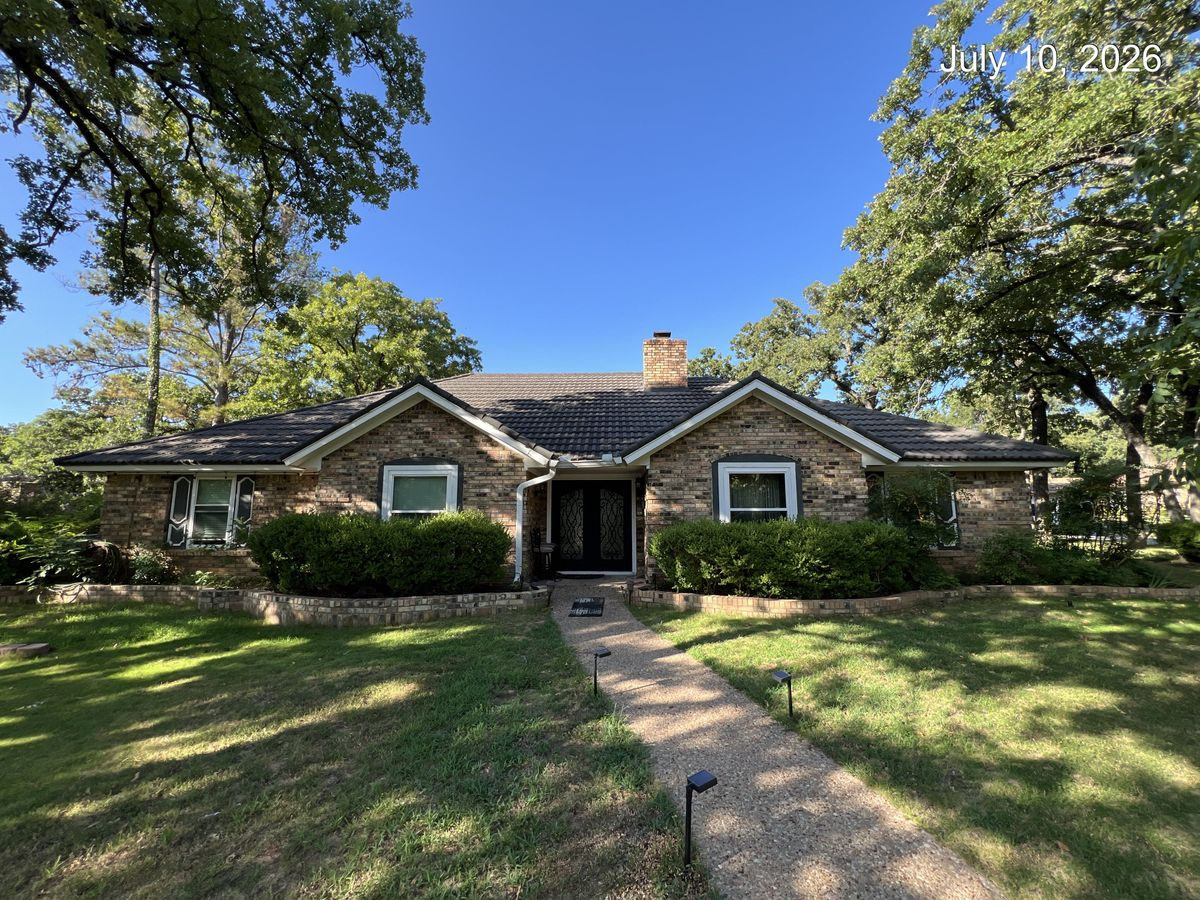
Wind and hail leave physically different marks, and an appraiser categorizes the cause of a loss by reading those marks — not by guessing. Hail tends to produce round, randomly scattered impact points with bruising or fracturing of the roofing material, while wind tends to lift, crease, tear, or displace components in patterns that follow the direction of the gust. Getting that distinction right matters because the cause of damage shapes what belongs in the scope of loss, and the scope of loss is what the appraisal is measuring. This post walks through the signatures each force leaves, why the categorization changes the numbers, and how the record is built so both sides are looking at the same evidence.
The physical signatures that separate wind from hail
Hail and wind damage a roof in fundamentally different ways, and each leaves a recognizable fingerprint.
Hail strikes as falling ice. On asphalt shingles it typically produces circular impact points where granules are knocked loose and the mat beneath is bruised or, in more severe cases, fractured. Those impacts are usually random in distribution and can appear on slopes facing the direction the storm traveled. On soft metals — vents, flashing, gutters, HVAC fins — hail often leaves round dents that help corroborate the presence and size of the stones.
Wind works differently. It lifts and levers roofing components rather than striking them. On shingles that shows up as creasing along a fold line where the tab was bent back and set down again, as broken seal strips, as torn or completely missing shingles, and as displacement that follows the prevailing gust direction. Wind damage frequently concentrates at edges, ridges, corners, and other high-pressure zones where uplift is strongest, and it often extends into the underlayment and decking once the covering is compromised. You can read more about how these losses are scoped on our wind damage insurance appraisal page and compare it with the approach on our hail damage insurance appraisal page.
Why getting the cause right changes the scope
Categorizing the cause is not an academic exercise — it drives which line items belong in the estimate.
A hail scope and a wind scope can call for different repairs even on the same roof. Hail bruising may support replacement of the field shingles and dented soft metals. Wind may drive repairs to lifted or missing shingles, ridge caps, edge metal, and the underlayment exposed once the covering failed. Where both forces acted in the same storm, the record has to reflect both without double-counting. Mislabeling wind as hail, or the reverse, can leave real damage out of the scope or place items in it that the physical evidence does not support. Because appraisal measures the amount of loss, the accuracy of the cause-of-damage read is what keeps the number grounded in what actually happened on the structure.
What other storm forces leave behind
Wind and hail are not the only signatures on a storm-damaged building, and part of an accurate assessment is ruling other causes in or out.
Windborne debris leaves puncture and gouge marks that differ from the smooth, round dents of hail. Water intrusion following a covering failure produces staining, saturation, and interior damage that maps back to the breach point. Long-term wear, thermal cycling, foot traffic, and manufacturing blemishes each have their own appearance and can be mistaken for storm damage by an untrained eye. Separating storm-caused conditions from pre-existing wear is one of the more common points of honest disagreement, which is why the appraiser documents the whole surface — not only the damaged areas — so the pattern speaks for itself.
Matching the damage to the storm timeline
The physical evidence gains weight when it lines up with what the weather did at the property.
An appraiser looks at whether the direction, elevation, and concentration of the observed damage are consistent with the forces a given storm would have produced at that address. Directional wind damage on the exposed slopes, uplift at the corners, and impact marks on the windward faces should tell a coherent story. When the damage pattern and the storm behavior agree, the record is stronger for everyone reviewing it. Because no external weather source was compiled for this article, the point here is procedural: the property owner should preserve the loss date and let properly attributed weather documentation, where it exists, be cross-referenced against the physical findings rather than asserted from memory.
What drone and photographic evidence adds
Photographic and aerial documentation turns a field observation into a record that both appraisers can examine.
High-resolution imagery captures the creasing, tearing, granule loss, and displacement in place, at scale, and in relation to the rest of the roof. A drone inspection for insurance claims reaches steep, high, and fragile slopes safely and gets the entire roof on the record, not just the slope in dispute — which matters when the question is whether damage follows a wind pattern or is randomly distributed like hail. Marshall Smith holds FAA Part 107 certification for this work. Consistent, well-labeled photographs let the two appraisers, and an umpire if one is needed, evaluate the same evidence instead of trading conclusions.
Amount of loss versus coverage — the line the panel does not cross
Here is the boundary that governs everything above: the appraisal panel determines the amount of loss, not whether the loss is covered.
An appraiser categorizes wind, hail, or other storm damage to scope and value the repair accurately. Whether the policy responds to that cause — deductible structure, exclusions, endorsements, and every other coverage question — is a separate determination made under the policy by the carrier, and where the parties disagree, resolved by a court. Neither the appraisers nor the umpire decides coverage. If you want to know whether a particular cause is covered, that question belongs with your carrier and your own policy language; check your own policy for its terms. What appraisal settles is the number, once the cause and extent are documented.
How a wind-versus-other disagreement gets resolved
When two knowledgeable people read the same roof and reach different scopes, appraisal is the structured mechanism the policy already provides to resolve it.
Most property policies contain an appraisal clause, and if yours does, each side selects its own independent appraiser. The two appraisers exchange documentation, walk the same evidence, and work to agree on the amount of loss — including how much of the damage traces to wind, how much to hail, and how much to other causes. Items they cannot agree on go to a neutral umpire, who reviews the record and decides only those disputed amounts. Disputes over wind-versus-other categorization are commonly resolved this way precisely because they turn on physical evidence that can be documented, compared, and measured. To see how the process is invoked and how the panel functions, the appraisal FAQ lays out the mechanics in plain terms.
The takeaway for a property owner is straightforward: preserve the evidence, get the whole roof documented before repairs alter it, and let the physical signatures — not assumptions — drive the categorization. A clean, well-attributed record is what allows the amount of loss to be settled fairly, whichever forces caused the damage.
Talk it through before the evidence changes
If your wind, hail, or other storm loss is being scoped differently than you expected, an independent, evidence-based read can help clarify the amount of loss. Marshall Services LLC offers a free consultation to discuss where your file stands and whether appraisal fits. Call 972-322-0752 to talk it through.
Frequently Asked Questions
Can wind and hail damage the same roof in one storm?
Yes. A single storm can produce both hail impacts and wind uplift, and a roof can show both signatures at once. An appraiser documents each separately — round impact marks and bruising for hail, creasing, tearing, and displacement for wind — so the scope reflects all storm-caused damage without counting the same repair twice. The goal is an accurate amount of loss grounded in what the physical evidence shows.
How do appraisers tell storm damage from normal roof wear?
They compare the appearance and distribution of the conditions to known signatures of each cause. Storm damage tends to follow a pattern tied to impact or gust direction, while wear from age, foot traffic, or thermal cycling appears more uniformly or in predictable spots. Documenting the entire roof surface, not just the disputed area, lets that pattern distinguish recent storm damage from pre-existing conditions.
Does the appraisal decide whether my wind damage is covered?
No. Appraisal determines the amount of loss only. Whether a loss is covered is a separate determination made under your policy by the carrier, and where the parties disagree, resolved by a court — never by the appraisers or the umpire. To understand how your policy might respond to a particular cause, check your own policy language and raise the coverage question with your carrier.
Why is documenting the roof before repairs so important?
Because temporary repairs, re-roofing, and even weather can alter or erase the signatures that identify the cause of damage. Once creased shingles are replaced or impact marks are covered, the physical record supporting a wind-versus-hail categorization is gone. Capturing high-resolution and aerial imagery early preserves the evidence so both appraisers can evaluate the same conditions later.
What happens if the two appraisers disagree on the cause of damage?
Items the two appraisers cannot agree on go to a neutral umpire, who reviews the documentation and decides only those disputed amounts of loss. If your policy contains an appraisal clause, each side selects its own independent appraiser first, and the umpire is used only for what remains unresolved. The umpire settles amount, not coverage.