How Long Does a Property Appraisal Take?
There is no single fixed date for finishing an appraisal, but the process moves through predictable stages. Here is what drives the timeline and how to keep your file moving.
By Marshall Smith, IAUA CPAU Certified Insurance Appraiser · Published September 13, 2026 · 8 min read · Filed under Appraisal Process
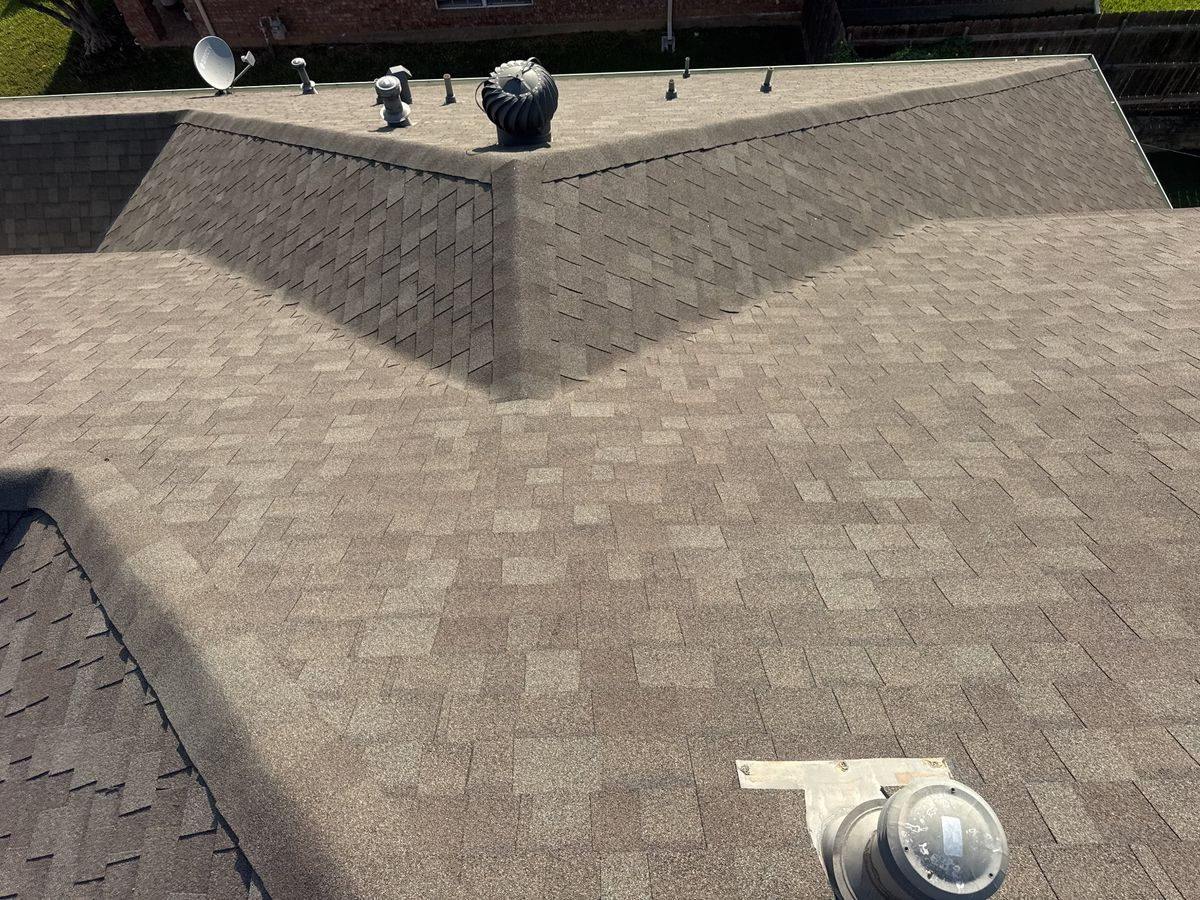
There is no single fixed number of days for completing a property insurance appraisal, because the timeline is driven by the size and complexity of the loss, how quickly each side names its appraiser, how fast inspections can be scheduled, and whether the two appraisers agree or need to bring in an umpire. A clean, well-documented residential file where both appraisers are responsive can move from invocation to a signed award in a matter of weeks. A large commercial loss, a file where evidence is still being gathered, or a dispute that has to reach the umpire will take longer. This post walks through each stage so you can see where the time actually goes — and where you have some control over it.
Why "how long" doesn't have one answer
Appraisal is a structured process, not an assembly line, so the honest answer is a range rather than a date on a calendar. Two files invoked on the same day can finish weeks apart. The difference isn't luck — it's the number of moving parts. A single-slope hail claim on a one-story house has far fewer variables than a multi-building apartment complex or a fire loss that touches structure, contents, and additional living expenses.
What stays constant is the sequence. Every appraisal moves through the same stages in the same order, and knowing that sequence lets you estimate your own file more accurately than any generic promise could. Appraisal settles the amount of loss only. Whether a particular loss is covered at all is a separate question decided under your policy by the carrier and, where the parties disagree, by a court — not by the appraisers or the umpire. Keeping those two questions separate also keeps the timeline honest, because the appraisers aren't waiting on a coverage decision to do their measuring work.
The stages a file actually moves through
The clock on an appraisal generally runs through five phases:
Invocation. One party invokes the appraisal clause in writing and names its appraiser. If your policy contains an appraisal clause, it usually sets out how appraisal is demanded and how quickly the other side must respond. Our guide on how to invoke the appraisal clause in Texas walks through what that demand looks like.
Appraiser selection. Each side selects its own independent appraiser. This step can be quick or slow depending entirely on how fast both parties act. A party that already has its appraiser lined up shaves days off the front end; a party that takes its time to name one adds them.
Inspection and scoping. Each appraiser inspects the property, measures the damage, and builds a scope of loss. Scheduling access, coordinating with tenants or occupants, and — on steep or high roofs — arranging drone documentation all factor in here. This is usually the most substantive block of time, and it's where a well-prepared file pays off.
Exchange and negotiation. The two appraisers compare their scopes, discuss the differences, and try to agree on the amount of loss. Many files resolve right here, without an umpire ever being involved, once both appraisers are looking at the same evidence.
Umpire, if needed. If the two appraisers cannot agree on one or more items, a neutral umpire is brought in to decide only those disputed items. That step is described in detail in our overview of the insurance umpire process.
Once the amount of loss is set — whether by the two appraisers agreeing or by the umpire ruling on the open items — the award is written and signed, and the appraisal itself is complete.
What speeds a file up
The fastest files share a few traits, and most of them are within a property owner's reach:
- Documentation is ready before appraisal begins. Dated photographs, the original estimate, any engineering or expert reports, and a clear record of the loss let the appraiser scope faster and reduce back-and-forth. Our page on what a property insurance appraiser does explains the kind of record that supports a clean scope.
- Both appraisers are responsive. Appraisal is a two-sided process. When both appraisers answer promptly, schedule quickly, and exchange scopes without delay, the file compresses.
- The loss is discrete and well-defined. A single peril, a single structure, and undisputed pre-loss condition all remove variables.
- Access is easy to arrange. A property that can be inspected on short notice, without coordinating around tenants or hazards, moves faster than one that can't.
You control your half of that list. Having your evidence organized and your appraiser named before the process starts is the single most reliable way to keep your own timeline short.
What tends to slow a file down
The same variables work in reverse. A file stretches out when:
- Evidence is still being collected. If an engineer's report or a specialist's evaluation is still pending, the scope can't be finalized until it arrives.
- The loss is large or complex. Commercial buildings, multi-family properties, and losses spanning structure and contents simply take more inspection and measurement time. Our commercial property appraisal work is a good example of files where thoroughness matters more than speed.
- Scheduling is difficult. Weather, occupancy, roof access, and the availability of both appraisers all affect how quickly inspections happen.
- The two appraisers are far apart. Wide gaps in scope take longer to reconcile and are more likely to need the umpire.
None of these mean anything has gone wrong. They're the normal cost of getting the amount of loss right rather than fast.
Where the umpire step adds time — and where it doesn't
When the two appraisers can't agree, the umpire step is often where owners expect the biggest delay. In practice, it adds a defined, bounded piece of time rather than an open-ended one. The umpire reviews only the items the two appraisers left open, considers what each appraiser submitted, and issues a decision on those items. The better the two appraisers documented their positions, the faster the umpire can rule.
It's worth remembering that a signed award requires agreement of any two of the three panel members — the two appraisers and the umpire. Many files that reach the umpire still resolve when the umpire agrees with one appraiser on the open items, and the process closes there.
The one deadline that isn't ours to set
The appraisal panel controls how fast it works, but it does not control the deadlines written into your policy. Most policies set time limits — for invoking appraisal, for completing certain steps, and for other claim obligations — and those terms vary from policy to policy. Check your own policy for its language, because a missed deadline is one delay that has nothing to do with how quickly the appraisers move.
If you're weighing appraisal against a longer path, our comparison of appraisal versus litigation lays out how the timelines differ. Appraisal is generally the faster of the two, which is a large part of why the clause exists in the policy in the first place: it's the mechanism both the policyholder and the carrier agreed to for settling the amount of loss without a courtroom.
The realistic way to estimate your own file
If you want a genuine estimate for your specific loss, the fastest route is a short conversation about the facts: the peril, the size and type of property, what documentation you already have, and where the file stands today. Those four details predict a timeline far better than any generic figure.
Marshall Services LLC offers a free consultation to talk through your loss, your policy's appraisal provisions, and a realistic timeline for your file. Call 972-322-0752 to speak with a certified appraiser and umpire before you decide your next step.
Frequently Asked Questions
Does invoking appraisal put the rest of my claim on hold?
No. Appraisal runs on the single question of the amount of loss, and it moves independently of the coverage questions your policy handles separately. The appraisers inspect, scope, and value the damage without waiting on a coverage determination. Whether a particular loss is covered is decided under your policy by the carrier and, where the parties disagree, by a court — that track and the appraisal track proceed on their own terms.
Can the appraisal be finished without an umpire?
Yes, and many are. If the two independent appraisers compare their scopes and agree on the amount of loss, they sign the award and the appraisal is complete — no umpire is needed. The umpire is only brought in for the specific items the two appraisers cannot resolve, and even then, the umpire decides just those open items rather than reopening the whole file.
What can I do to keep my appraisal moving quickly?
Have your documentation organized and your appraiser named before the process starts. Dated photographs, your estimate, any expert or engineering reports, and easy inspection access all let your appraiser build a scope faster and reduce back-and-forth. Responsiveness on both sides is the biggest single factor, so promptly answering questions and confirming inspection dates keeps your half of the file on schedule.
Is there a deadline for invoking appraisal in the first place?
Possibly — it depends entirely on your policy. Most property policies set time limits for invoking appraisal and for other claim steps, but those terms vary, so check your own policy for its specific language. Because a missed policy deadline is a delay the appraisal panel cannot fix, reviewing those provisions early is one of the most useful things you can do.
Does a larger or commercial loss always take longer?
Generally yes, because there is simply more to inspect, measure, and value. A multi-building commercial or multi-family property, or a loss spanning structure and contents, involves more variables than a single-slope residential roof. That added time reflects thoroughness rather than a problem with the file — getting the amount of loss right on a complex property is worth the additional inspection and scoping work.