How to Prepare for a Property Damage Appraisal
A practical, step-by-step guide for property owners getting ready for an insurance appraisal — what to confirm, what to gather, and what to expect once the panel starts work.
By Marshall Smith, IAUA CPAU Certified Insurance Appraiser · Published September 15, 2026 · 8 min read · Filed under Appraisal Process
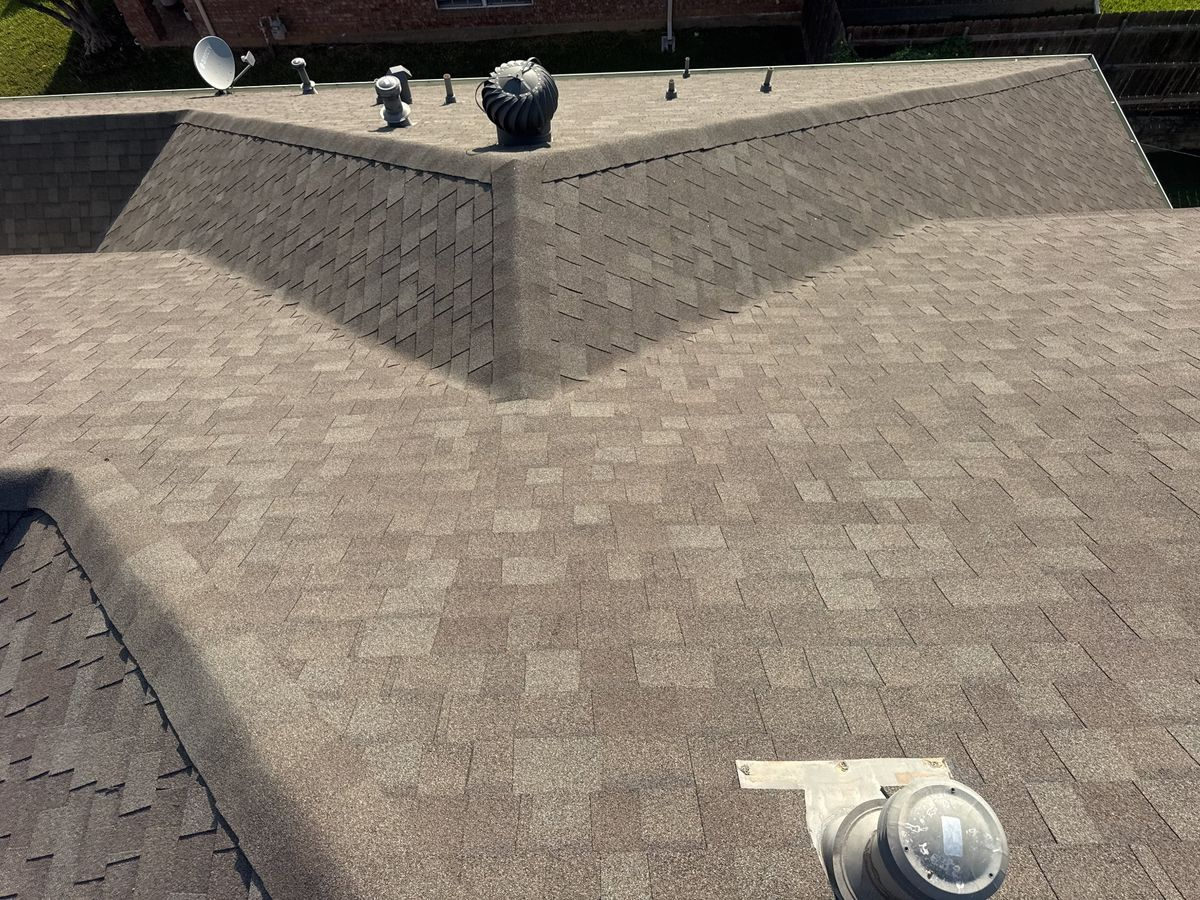
The best way to prepare for a property damage appraisal is to do four things before anything else: confirm your policy actually contains an appraisal provision, select a qualified independent appraiser, gather every estimate, photograph, and inspection note that documents the condition of your property, and get clear on the one thing appraisal decides — the amount of loss. Do those four things and you will walk into the process with a complete record and realistic expectations, which is exactly what an appraisal panel needs to work efficiently. Everything below is the detail behind those steps.
First, be clear on what appraisal settles
Appraisal is a valuation process, not a coverage ruling. It determines the amount of loss — the dollar figure needed to repair or replace the damaged property — when the policyholder and the carrier agree that a loss happened but disagree on what it costs to make right. That is its entire job.
Whether a particular loss is covered at all is a separate determination made under your policy by the carrier, and where the two sides disagree about coverage, that question is resolved by a court — never by the two appraisers or the umpire. Keeping this line straight from the start saves a great deal of frustration. If your real dispute is about whether something is owed rather than how much, appraisal may not be the right tool, and it helps to know that before you invoke it. You can read more about the appraiser's actual role in our appraisal and umpire services overview.
Getting this distinction right shapes everything you assemble. Your goal in preparation is to build the strongest possible record of the cost and extent of the damage — not to argue a coverage position the panel has no authority to decide.
Confirm your policy contains an appraisal provision
Before you spend a minute gathering documents, read your own policy. Most property insurance policies contain an appraisal clause, but the exact language, the conditions, and the deadlines vary from one form to the next. Some policies require that appraisal be requested in writing; some set time limits tied to the date of loss or to certain steps in the claim; some spell out how costs are shared.
Look for the section that describes what happens when the parties disagree on the amount of loss. That paragraph typically says each side selects its own independent appraiser, the two appraisers select a neutral umpire, and any items the appraisers cannot agree on go to the umpire for a decision. If you cannot find that language, or you are unsure whether your situation fits it, that is the moment to ask questions — not after you have committed to the process.
If you have already decided you want to move forward, our guide on how to invoke the appraisal clause in Texas walks through the mechanics of the written demand and what usually follows it. Because the terms are policy-specific, always check your own document rather than relying on a summary of what a "typical" policy says.
Choosing your appraiser — and what independence really means
Each side names its own appraiser. Yours works for you, but the word "independent" carries real weight here: a competent appraiser measures the loss honestly and defends that measurement with evidence, rather than simply advocating for the largest possible number. That credibility is what lets the process converge. Two appraisers who both value their reputations for accuracy tend to close the gap between their estimates far faster than two who treat the exercise as a negotiation.
When you evaluate a candidate, look for relevant credentials and hands-on experience with your peril and property type. A roof-focused hail file, a smoke-and-soot file, and a water-intrusion file each call for different documentation skills. Certification — for example, an IAUA Certified Professional Appraiser designation — signals formal training in the process, and the ability to gather aerial documentation safely under FAA Part 107 drone rules can matter when the damage sits on a steep or high roof.
Ask a prospective appraiser how they scope a loss, how they document it, and how they handle disagreement with the other side's appraiser. The answers tell you whether you are hiring someone who will build a defensible record.
Pull your file together: estimates, photos, and inspection notes
This is where your preparation does the most work. The appraisal panel measures the loss from evidence, so the completeness of your file directly shapes how smoothly the process runs. Assemble the following, and organize it so any item can be found quickly:
- Every repair estimate you already have. This includes the carrier's estimate, any contractor bids, and any prior appraiser or adjuster estimates. If any of them were prepared in a line-item format such as Xactimate, keep the full detail rather than just the summary page — our explainer on what a Xactimate estimate is covers why the line items matter.
- Dated photographs of the damage. Wide shots that establish location and close-ups that show the specific damage are both useful. If you have photos of the property in good condition from before the loss, include those too; they help establish the pre-loss baseline.
- Inspection notes and reports. Anything written by a contractor, engineer, or prior inspector about the cause and extent of damage belongs in the file.
- A repair and maintenance history. Receipts, invoices, and records showing the age and condition of roofing, systems, and finishes help the panel value the loss accurately.
- Your policy declarations page. This identifies the property, the applicable limits, and how the policy measures loss.
The single most valuable habit is to preserve the evidence before conditions change. Damage gets repaired, cleaned, or weathered, and once the physical record is gone it cannot be recreated. If you are ready to hand your materials over, our client submission page is the fastest way to get an organized file into review.
What happens on inspection day and during the panel exchange
On inspection day, expect a methodical walk-through of the damaged areas. A thorough appraiser documents the loss room by room and elevation by elevation, photographing conditions, taking measurements, and recording the scope of what needs repair or replacement. On many property files this includes aerial documentation of the roof. Nothing about the day is adversarial — it is a fact-gathering visit, and the more the appraiser can see and document, the stronger the resulting valuation.
After the inspections, the two appraisers exchange their findings. This is where the process earns its reputation for efficiency. Because both appraisers are working from physical evidence toward the same defined question — the amount of loss — they frequently narrow their differences on their own, item by item. Many files resolve entirely at this stage, with the two appraisers agreeing on a figure and signing an award without any further steps. A well-documented file makes that agreement more likely, because there is less to argue about when the evidence is clear.
How timelines work, and where an umpire fits in
There is no single, universal timeline for an appraisal, because the schedule depends on the size and complexity of the loss, how complete the documentation is, and how quickly each side's appraiser can inspect. A tightly organized file with clear photographs and estimates moves faster than one where evidence has to be reconstructed after the fact. You can read a fuller breakdown in our related post on the stages a file moves through, but the practical takeaway is simple: your preparation is one of the few levers you actually control.
If the two appraisers agree, they issue a signed award and the process ends there. If they cannot agree on one or more items, only the disputed items go to the neutral umpire, who reviews the evidence and decides those points. The umpire does not redo the whole file and does not touch coverage — the umpire settles the specific amount-of-loss items the appraisers could not close. When any two of the three panel members (the two appraisers and the umpire) agree, that agreement sets the award.
Understanding this structure ahead of time removes most of the anxiety from the process. Appraisal is the fair, contractual mechanism both you and your carrier already agreed to when the policy was written, and it exists precisely so an amount-of-loss disagreement can be resolved without litigation.
Ready to prepare your file?
If you are getting ready for a property damage appraisal and want a clear, evidence-based read on your situation, Marshall Services offers a free consultation. As an IAUA Certified Professional Appraiser with FAA Part 107 drone certification, Marshall Smith serves property owners across Texas, Louisiana, Oklahoma, Colorado, and California. Call 972-322-0752 to talk through your file, or explore our frequently asked questions to see how the process fits your claim.
Frequently Asked Questions
Do I need a contractor's estimate before appraisal begins?
A detailed repair estimate strengthens your file, but it is not always a strict requirement to begin. Your appraiser will scope and document the loss independently during inspection. That said, existing estimates — from your carrier, a contractor, or a prior inspector — give the panel more to work from and often help the two appraisers close their differences faster. Check your own policy for any documentation conditions tied to the appraisal provision.
Can I use appraisal if my carrier says the damage isn't covered?
Appraisal decides the amount of loss, not whether a loss is covered. If the dispute is genuinely about coverage rather than cost, that question is determined under your policy by the carrier and, where the parties disagree, resolved by a court — not by the appraisers or the umpire. When the disagreement is about how much the damage costs to repair, appraisal is designed for exactly that. Reviewing your policy language helps clarify which situation you are in.
How do I choose between my own appraiser's number and the carrier's?
You don't have to choose between them yourself — that reconciliation is the appraisal process. Each side's independent appraiser measures the loss from evidence, the two exchange findings, and they work toward agreement item by item. Any items they cannot agree on go to a neutral umpire. Your job before that starts is to supply complete, accurate documentation so the valuation rests on facts rather than guesswork.
What should I photograph before an appraiser arrives?
Photograph the damaged areas from both wide angles that show location and close-ups that show specific damage, and date the images. Capture roofing, interior finishes, systems, and any affected contents. If you have any pre-loss photos showing the property in good condition, include those too, because they help establish the baseline the amount of loss is measured against. Preserve everything before repairs or weather alter the conditions.
Does hiring an appraiser mean I'm heading to court?
No — appraisal is generally an alternative to litigation, not a step toward it. It is the contractual mechanism written into most property policies for resolving disagreements over the amount of loss, and many files settle when the two appraisers sign an award. Coverage disputes are a separate matter resolved elsewhere, but the appraisal itself is a structured, evidence-based process both the policyholder and the carrier already agreed to.