Expert Evaluations in Property Damage Appraisal
An independent expert evaluation gives an appraisal panel objective, defensible evidence about what happened and what it costs to repair — clarifying the amount of loss without crossing into the coverage question.
By Marshall Smith, IAUA CPAU Certified Insurance Appraiser · Published September 15, 2026 · 8 min read · Filed under Appraisal Process
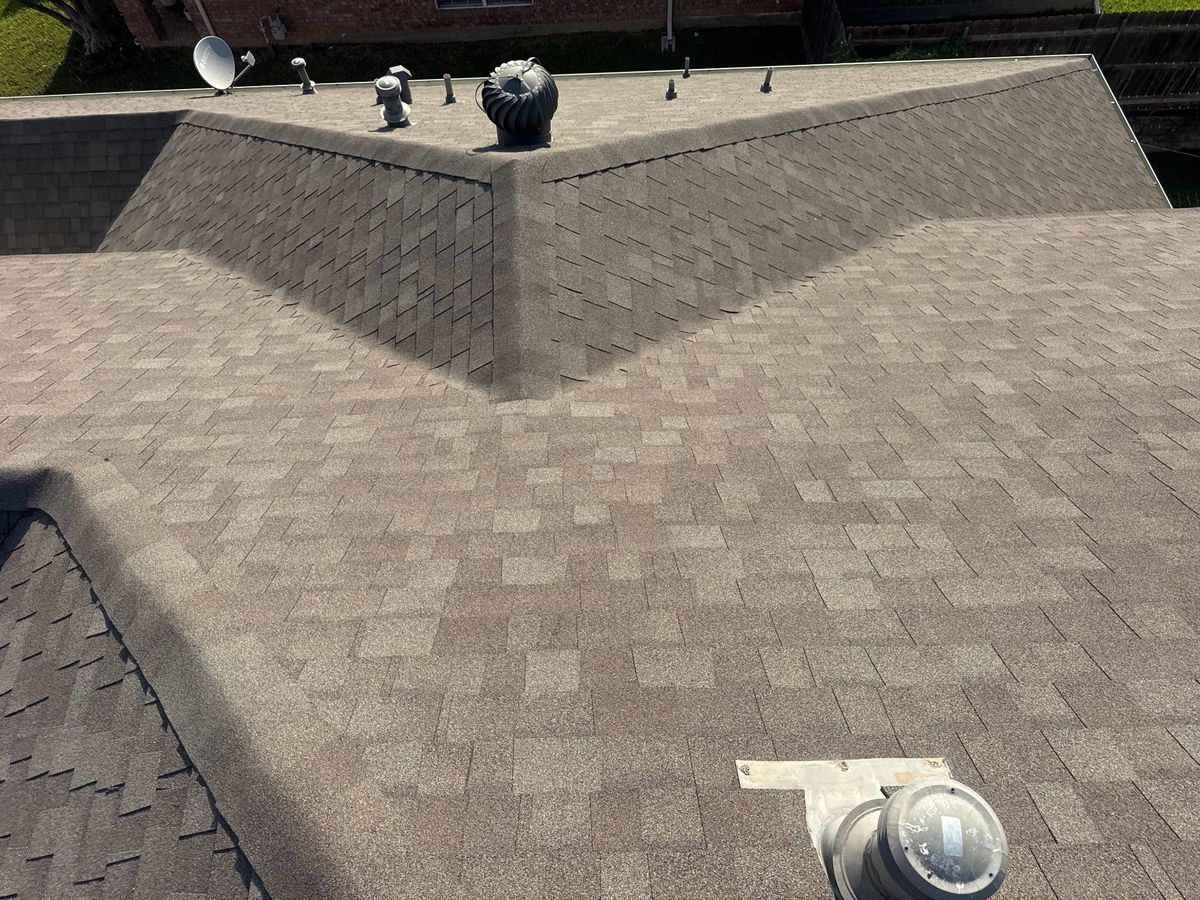
An independent expert evaluation exists to give the appraisal panel objective, defensible evidence about two things: what physically happened to the property and what it will realistically cost to repair. That is its entire job. A qualified expert — a meteorologist, a structural engineer, a forensic consultant, a roofing specialist — clarifies the facts so the amount of loss can be measured on evidence rather than impression. What an expert evaluation does not do is decide whether your policy responds to the loss. Appraisal determines the amount of loss only; whether a loss is covered at all is a separate determination under the policy, made by the carrier and, where the parties disagree, resolved by a court. Understanding that boundary is the key to using expert input well.
Below is how those evaluations actually function inside a property damage file, why mixed or non-specific damage so often needs one, and what a well-documented evaluation should contain.
What "independent expert evaluation" actually means here
An independent expert evaluation is a written assessment by a qualified specialist who examines the property, or the data surrounding the event, and reports findings without a stake in the outcome. Independence is the operative word. The value of the report comes from the fact that the expert is documenting what the evidence shows — grain size, fracture pattern, wind exposure, moisture migration — not advocating for a number.
It is worth being clear about what an expert evaluation is not. It is not a repair estimate by itself, though its findings feed the estimate. It is not a coverage opinion, and a credible expert will not offer one. And it is not a substitute for the appraiser's own inspection; it is a specialist layer that supports the appraiser's scope where the cause or extent of damage sits outside general field observation.
Why mixed or non-specific damage so often needs a specialist
The files that most benefit from expert input are the ones where the damage does not announce its own cause. A roof can show wear, foot traffic, thermal cracking, prior repairs, and storm impact all at once. Interior staining can trace to a roof breach, a plumbing failure, or condensation. When a claim is logged under a general or "other" damage category — where the cause is described loosely rather than pinned to a specific peril and date — the scope of repair can be honestly read several different ways.
That ambiguity is exactly where two reasonable professionals produce two different estimates, a pattern we have written about in why hail damage estimates differ. A specialist evaluation narrows the gap by separating the storm-related damage from the pre-existing condition and by attributing each observed defect to a mechanism. Once the causes are categorized on evidence, the appraisers are measuring the same loss instead of arguing about different ones.
What weather-data and meteorological support add
For hail and wind files, a meteorological report documents the storm environment around a property on a given day — the presence and estimated size of hail, wind field, storm track, and timing. Read against the roof itself, that record helps confirm whether the physical signatures on the property are consistent with a storm event and helps establish a timeline.
The point of the weather record is corroboration, not conclusion. It supports the physical evidence rather than replacing it; a report that a storm passed nearby means little unless the roof shows matching impact marks, and impact marks mean more when the weather record is consistent with them. Used this way, meteorological support strengthens the factual foundation under a hail or wind scope. If your dispute centers on storm damage, our overview of hail damage insurance appraisal explains how that evidence fits the larger file.
I should add a practical note here for property owners: never state a specific hail size, wind speed, or dated reading as fact unless it comes from a documented source you can point to. The weight of a weather record comes from its traceability. An unsupported number weakens the very position it was meant to help.
Structural and forensic analysis in the amount-of-loss determination
Some losses turn on questions no field inspection can settle on its own — whether framing has shifted, whether a foundation movement predates the event, whether a fire compromised structural members behind an intact-looking wall, whether smoke residue has penetrated surfaces that still look clean. Here a structural engineer or forensic consultant provides analysis that the appraisers then translate into scope and value.
Forensic findings matter to the amount of loss in a very concrete way. Whether a damaged component can be repaired or must be replaced, whether adjacent undamaged materials must be removed to complete a proper repair, and what the correct repair method is — these all move the dollar figure, and they all rest on technical questions a specialist is best positioned to answer. A line-item estimate built in Xactimate is only as sound as the scope decisions behind it, and those scope decisions are where expert analysis earns its place.
How expert findings inform the appraisers without deciding for them
An appraiser does not outsource judgment to an expert. The expert supplies findings; the appraiser weighs them alongside the field inspection, the photographs, the estimates, and the physical evidence, and reaches an independent conclusion about the amount of loss. Each side selects its own independent appraiser, and each appraiser is free to consider — or to question — the expert material in the file.
This is why a well-founded evaluation carries weight even in a disputed file: it is testable. A report that shows its method, its observations, and its reasoning can be examined and either corroborated or challenged by the other appraiser. When the two appraisers cannot agree on particular items, a neutral umpire decides those items, again weighing the evidence rather than counting opinions. Strong expert documentation tends to shorten that process because it gives everyone the same factual footing to work from.
Where the panel's role ends and the policy's begins
This is the line that must never blur. An expert can establish that damage exists, what caused it, and what it costs to repair. The appraisal panel can determine the amount of that loss. Neither the expert nor the panel decides whether the policy pays for it. Coverage — deductibles, exclusions, endorsements, whether the peril is one your policy responds to — is a separate determination made by the carrier under the policy language, and where the parties disagree, resolved by a court.
That separation actually protects the property owner. It keeps the appraisal focused, neutral, and fast, and it keeps the amount-of-loss figure clean and defensible regardless of how the coverage question is ultimately answered. When you want to know whether something is covered, read your own policy and take the question to your carrier; when you want to know how much the loss is worth, that is the appraisal's job. Our appraisal and umpire services page walks through where each of those roles sits.
What a well-documented evaluation should contain
Whether you are a property owner or a referral partner, a credible expert evaluation should have a few features you can look for. It should identify the property and the date of inspection. It should describe the method used — what was examined and how. It should separate observation from conclusion, so a reader can follow how the expert got from evidence to finding. It should attribute each significant defect to a cause. And where it relies on external data, such as a weather record, it should cite a source a reader can trace.
Photographs, drone imagery, and moisture readings support the narrative; documented drone inspection is especially useful for steep or large roofs where ground-level observation is limited. What you should not expect — and should be cautious of — is a report that offers a coverage verdict or asserts specific measurements without a source. The strongest evaluations stay in their lane: they document facts, and they let the appraisal process do the measuring.
Talk it through before the record fades
If you are weighing whether an independent expert evaluation would strengthen your amount-of-loss position, or you simply want to understand how the evidence in your file fits the appraisal process, Marshall Services offers a free consultation. Marshall Smith is an IAUA Certified Professional Appraiser with FAA Part 107 drone certification, serving property owners and referral partners across Texas, Louisiana, Oklahoma, Colorado, and California. Call 972-322-0752 to talk through your situation.
Frequently Asked Questions
What is the role of an expert in a property damage claim?
An expert supplies objective findings on two questions: what caused the damage and what it will cost to repair. A meteorologist, engineer, or forensic specialist documents evidence the appraisers then weigh when determining the amount of loss. The expert clarifies facts; the expert does not decide whether the policy responds to the loss, which is a separate determination made under the policy by the carrier and, in disagreement, by a court.
Does an independent damage evaluation decide whether my claim is covered?
No. An independent evaluation documents the cause and extent of damage and supports the amount-of-loss determination, but coverage is decided separately. Whether a loss is covered at all is determined under your policy by your carrier, and where the parties disagree, resolved by a court — never by the appraisers, the expert, or the umpire. Read your own policy for its terms and take coverage questions to your carrier.
How are damage causes determined in a property claim?
Damage causes are determined by matching physical evidence to a mechanism — impact marks to hail, lifted or torn materials to wind, moisture patterns to water intrusion — and, where needed, corroborating that with data and specialist analysis. A meteorological record can support a storm timeline, and structural or forensic review can address what is hidden behind a surface. The strongest conclusions show their method and attribute each defect to a documented cause.
Do I need a meteorological report for a hail or wind appraisal?
Not always, but a documented weather record can meaningfully strengthen a hail or wind file when the cause or timing of damage is in question. Its value is corroboration: it works when the physical signatures on the roof are consistent with the storm environment it describes. A weather report alone proves little, and an appraiser will still rely on the property's own physical evidence.
Who chooses the expert, and does the other side have to accept the findings?
Each side may retain and rely on its own experts; you are not bound to accept another party's expert conclusions, and they are not bound to accept yours. Because each side selects its own independent appraiser, both appraisers weigh the expert material and can question it. When they cannot agree on specific items, a neutral umpire decides those items on the evidence. Well-documented, traceable findings tend to carry the most weight.