Why Hail Damage Estimates Differ & How Appraisal Helps
Two qualified professionals can inspect the same hail-damaged roof and reach different numbers for honest, explainable reasons. Here is why that happens — and how the appraisal process settles the amount of loss when the two sides cannot agree.
By Marshall Smith, IAUA CPAU Certified Insurance Appraiser · Published September 4, 2026 · Updated October 14, 2026 · 7 min read · Filed under Appraisal Process
Our work includes insurance appraisal services and hail damage insurance appraisal.
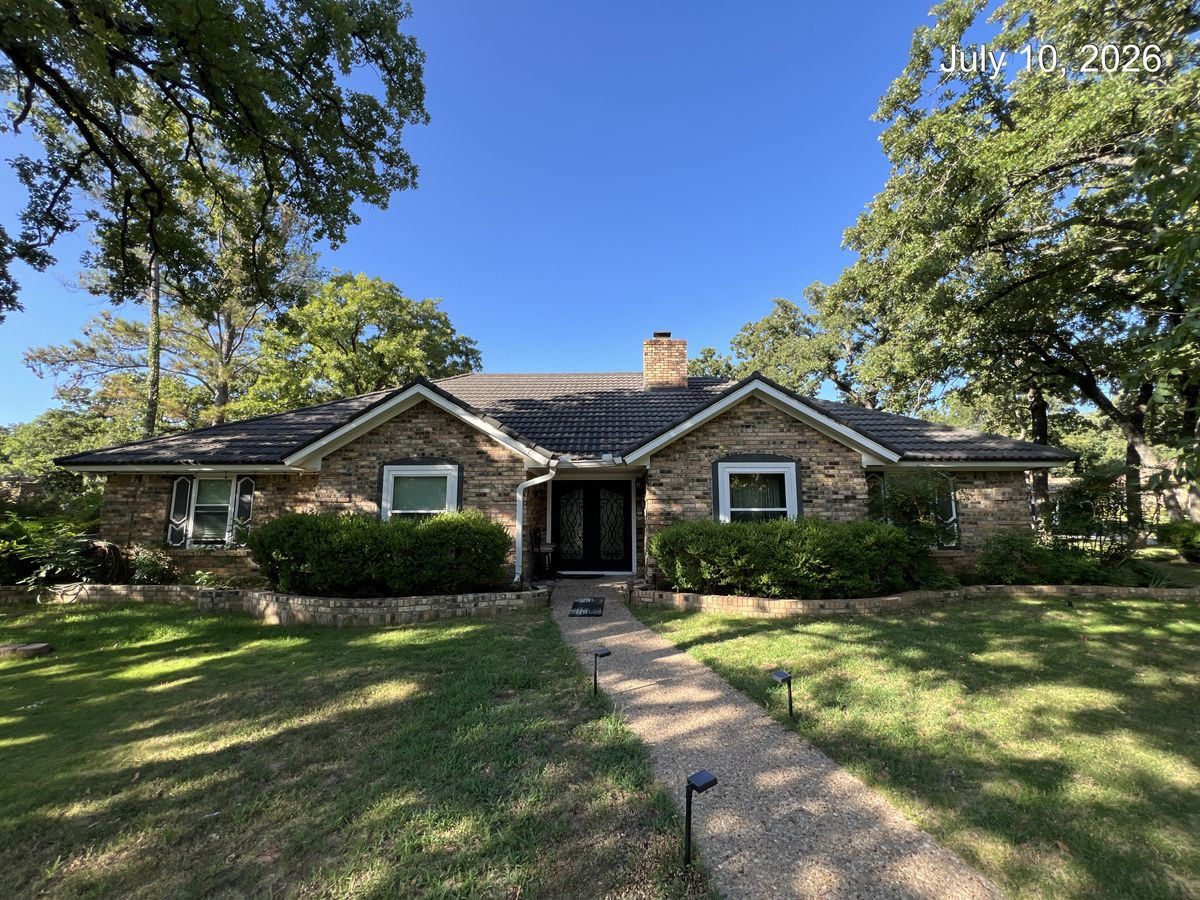
Two qualified professionals can inspect the same hail-damaged roof and arrive at different evaluations because they made different, defensible choices about where to test, how much of the roof to sample, what counts as functional damage, and how far the repair scope should reach. This is the single most common question property owners across the Dallas–Fort Worth Metroplex ask us, and the honest answer is that a gap between two estimates is usually the product of legitimate methodology differences — not a mistake by either side. When those differences cannot be reconciled through discussion, the appraisal process exists to settle the amount of loss in a structured, neutral way.
Below is a plain explanation of why the numbers diverge and where appraisal fits when they do.
The choices that make two roof estimates diverge
A hail inspection is not a single objective reading. It is a series of professional judgments, and reasonable people can make them differently.
Test-square selection. Inspectors typically mark off a defined area — often a ten-by-ten section — and count impact points inside it. Where that square is placed changes what it captures. One inspector may center a square on a heavily exposed slope; another may place it lower or on a more sheltered face. Same roof, different sample, different count.
Which slopes get sampled. Hail rarely strikes every elevation equally. Wind direction during a storm concentrates impacts on certain slopes and spares others. An inspection that samples the north and west faces can reach a different conclusion than one that samples the south and east. Whether all slopes were examined — and documented — is one of the most common reasons two reports disagree.
Matching and the repairable-area question. Even when both inspectors agree hail struck the roof, they can disagree on how much has to be addressed. If damaged shingles can no longer be matched to the surrounding field by color, profile, or age, the repairable area may reasonably be scoped larger. This is one of the most frequent sources of a dollar gap, and it is a question of judgment, not arithmetic.
Scope of repair. Two estimators can agree on the damage yet still differ on the line items needed to fix it — underlayment, flashing, drip edge, ridge, ventilation components, and code-related items. Different scoping assumptions produce different totals even when the damage assessment is identical. If you want to understand how these line items are built and priced, our explainer on what a Xactimate estimate is walks through the mechanics.
Cosmetic versus functional damage — where honest disagreement lives
Much of the daylight between two hail evaluations comes down to a single distinction: is the damage cosmetic or functional?
Functional damage compromises how the roofing material performs — for example, an impact that fractures the shingle mat, dislodges the protective granule layer, or shortens the material's service life. Cosmetic damage marks the surface without affecting performance.
The problem is that the line between the two is genuinely a matter of professional interpretation. A granule-loss pattern one inspector reads as a functional bruise, another may read as surface marring. Neither is necessarily acting in bad faith; they are applying experienced judgment to an ambiguous surface. This is precisely the territory where the extent-of-damage appraisal process is designed to be useful, because it brings the disagreement to two independent appraisers and, if needed, a neutral umpire — people whose only task is to measure the loss.
How comparing multiple reports narrows the gap
When a property owner holds two or more evaluations that don't match, the first productive step is a side-by-side comparison rather than picking a favorite. A careful read usually shows exactly where the reports diverge, and often the gap is narrower than the bottom-line numbers suggest.
The comparison looks at whether both inspections sampled the same slopes; whether test squares were placed and photographed consistently; whether both accounted for accessories like flashing, ridge, and ventilation; whether one applied a matching or repairability judgment the other did not; and whether pricing assumptions — such as depreciation treatment — differ. Often two estimates agree on most line items and split on two or three specific issues. Isolating those issues turns a vague "we disagree on the roof" into a short, resolvable list. Our guide to hail damage roof claims in Texas covers how those specific items tend to surface in DFW files.
Where appraisal fits — and the line it does not cross
Appraisal is the mechanism most property policies provide for resolving a disagreement about the amount of loss. If your policy contains an appraisal clause, either party can invoke it when the two sides cannot agree on the number. Each side selects its own independent appraiser, and if those two appraisers cannot agree on particular items, a neutral umpire decides only the items still in dispute.
Here is the boundary that matters most: appraisal determines the amount of loss only. Whether a given loss is covered at all is a separate determination made under the policy by the carrier and, where the parties disagree, resolved by a court — never by the appraisers or the umpire. So appraisal is the right tool when the disagreement is about how much the hail damage costs to repair. It is not the tool for deciding whether the policy responds to the loss in the first place. Keeping those two questions separate is essential, and it is why the panel stays disciplined about scope and pricing rather than drifting into coverage arguments.
For a step-by-step look at invoking the clause, see how to invoke your appraisal clause in Texas.
The documentation that strengthens an extent-of-damage position
Because so much of a hail dispute turns on judgment, the record you bring to it does the heavy lifting. The strongest extent-of-damage positions rest on evidence, not assertions.
Useful documentation generally includes clear, well-lit photographs of each slope; test squares that are marked, located, and photographed so a reviewer can see what was counted and where; close-ups of representative impacts alongside wider shots that place them on the roof; and photographs of accessories such as flashing, vents, and ridge. Aerial imagery captured under FAA Part 107 can put the entire roof on the record — including steep or fragile slopes that are unsafe to walk — rather than only the elevations someone happened to reach. A well-organized evidence file lets both appraisers and, if needed, the umpire evaluate the same facts, which is exactly how a discrepancy gets narrowed to something decidable. Property owners across the DFW Metroplex who assemble this record early tend to enter appraisal with a much clearer picture.
What to check in your own policy before you invoke
Before invoking appraisal, read your own policy. Most property policies that offer appraisal set out the terms — how each side names an appraiser, how the umpire is selected if the appraisers cannot agree, how costs are allocated, and any timing requirements. These provisions vary, so check your specific policy language rather than assuming a general rule applies to you. Confirm that you have a genuine disagreement about the amount of loss, since that is what appraisal is built to resolve. And gather your documentation before you invoke, so the process starts on solid footing rather than pausing while evidence is assembled.
Understanding why two evaluations differ usually removes a great deal of the frustration. The gap is rarely a sign that someone did something wrong; more often it reflects legitimate differences in sampling, judgment, and scope — the very kinds of differences appraisal was designed to resolve.
Talk it through before you decide
If you're holding two hail-damage evaluations that don't match and you're not sure why, Marshall Services offers a free consultation to help you understand where the numbers diverge and whether appraisal is the right next step. As an IAUA Certified Professional Appraiser (CPAU) with FAA Part 107 drone certification, Marshall Smith works only on property insurance appraisal and umpire matters. Call 972-322-0752 to talk it through.
Frequently Asked Questions
Does a bigger estimate mean the smaller one was wrong?
No — a larger number is not automatically the correct one, and neither is the smaller. Two estimates usually differ because the inspectors placed test squares differently, sampled different slopes, or made different judgments about matching and scope of repair. The more useful question is *where* they diverge and which position the documented evidence supports. Comparing the reports line by line reveals the specific issues, which is what appraisal is built to resolve.
Can appraisal decide whether my hail damage is covered?
No. Appraisal determines the amount of loss only. Whether a loss is covered at all is a separate determination made under the policy by the carrier and, where the parties disagree, resolved by a court — never by the appraisers or the umpire. Appraisal is the right tool when both sides agree there is a loss but disagree on how much it costs to repair. Coverage questions travel a different path entirely.
What is the difference between cosmetic and functional hail damage?
Functional damage compromises how the roofing material performs — for example, fracturing the shingle mat or dislodging the protective granule layer in a way that shortens service life. Cosmetic damage marks the surface without affecting performance. The line between them is a genuine matter of professional interpretation, which is why two experienced inspectors can read the same granule pattern differently. That interpretive gap is one of the most common reasons hail evaluations diverge.
Do I need to invoke appraisal if I have two different estimates?
Not necessarily. Many discrepancies narrow considerably once you compare the reports and identify the two or three items that actually differ. Appraisal is appropriate when a real disagreement about the amount of loss remains after that comparison, and when your policy contains an appraisal clause. Check your own policy for its terms, gather your documentation, and confirm the dispute is about the amount rather than about coverage before invoking.
What documentation helps most when two roof inspections disagree?
Clear photographs of every slope, marked and located test squares, close-ups of representative impacts paired with wider context shots, and images of accessories like flashing, vents, and ridge all help most. Aerial imagery captured under FAA Part 107 can record steep or fragile slopes safely. A well-organized evidence file lets both appraisers — and an umpire if needed — evaluate the same facts, which is how a discrepancy gets narrowed to something decidable.