Residential or Commercial Property Appraiser?
Whether your loss is a single-family roof or a commercial building, the appraisal mechanism is the same — but the property type changes the scope, the evidence, and the expertise you should confirm. Here is how to match the appraiser to the building.
By Marshall Smith, IAUA CPAU Certified Insurance Appraiser · Published October 3, 2026 · 8 min read · Filed under Appraisal Process
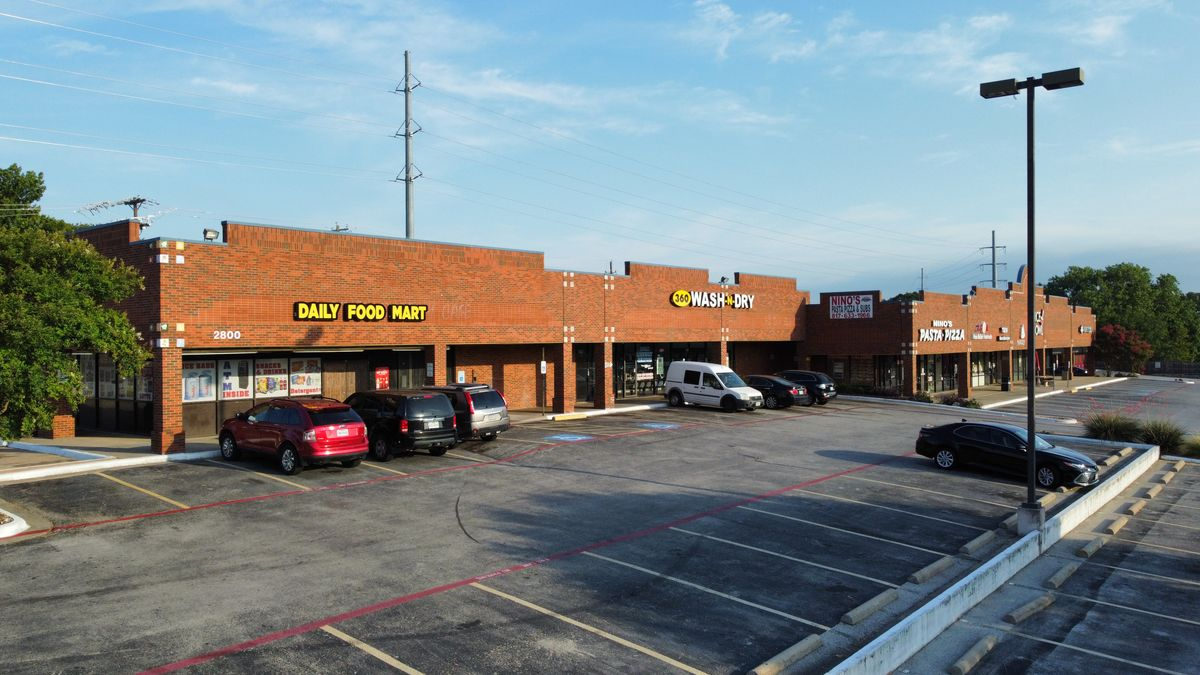
If you are asking whether to hire an appraiser who specializes in residential or commercial property, the honest answer is this: pick the appraiser by the building in front of you, not by a label — and confirm that the person you appoint has handled your property type before. Marshall Services performs property insurance appraisal on both residential and commercial losses, and the underlying mechanism is identical for either. What differs is the scope, the kind of evidence that carries weight, and the depth of construction knowledge the structure demands. A detached house and a multi-tenant retail center both move through the same appraisal clause, but they do not read the same on the ground.
So the question is really two questions. First: is the appraisal process different for residential and commercial property? Largely, no. Second: does the appraiser need different experience depending on which one you have? Yes — and that is the part worth getting right.
What appraisal determines, regardless of property type
Before splitting the two apart, it helps to be clear on what appraisal does at all, because this does not change with square footage or occupancy.
Appraisal determines the amount of loss — the dollar figure to repair or replace the damaged property. It does not decide whether the loss is covered. Whether a given cause of damage falls within your policy is a separate determination made by the carrier and, where the parties disagree, resolved by a court — never by the appraisers or the umpire. That boundary holds whether the building is a bungalow or a warehouse.
The mechanism is also the same in both worlds. If your policy contains an appraisal clause — most property policies do, though you should check your own policy for its exact terms — each side appoints its own independent appraiser. The two appraisers work toward agreement on the amount of loss. Where they cannot agree on specific items, a neutral umpire decides those items. You can read the full walk-through of that sequence on the insurance appraisal services page, and it reads the same for a home or a commercial building.
What actually diverges is everything downstream of "what does it cost to put this back."
What a residential loss asks of an appraiser
A residential appraisal is usually bounded by a single structure, a known set of building components, and repair methods that recur from one house to the next. That does not make it simple — it makes it legible. The variables are familiar: roof covering and age, decking, flashing, siding, windows, interior finishes, flooring, cabinetry, and the mechanical systems that serve one household.
The evidence set skews toward the roof and envelope, especially across the hail and wind corridors of Texas, Oklahoma, and the Gulf. A residential appraiser needs to read a roof correctly — to distinguish storm-created damage from wear, to scope repair versus replacement in line with how the covering actually fails, and to tie that scope to a defensible line-item estimate. If your home was hit by a storm, the questions on a hail damage appraisal are the ones a residential-fluent appraiser should be able to answer in their sleep.
Residential scopes also live and die on matching, code-driven repairs, and the sequence of trades needed to restore a lived-in space. The dollar figures are generally smaller than commercial, but the margin for a missed component — a single underpriced category repeated across the estimate — still moves the outcome meaningfully for a homeowner.
What a commercial loss adds to the picture
Commercial property changes the problem in three ways: scale, building systems, and the way the loss interacts with the business that occupies the space.
Scale is the obvious one. A commercial roof may be a low-slope membrane system — TPO, EPDM, modified bitumen, built-up — rather than composition shingle, and assessing it correctly requires knowing how those systems are built, how they fail, and how they are properly scoped for repair or replacement. The exterior envelope, the structural framing, and the sheer quantity of finished square footage all expand the estimate and the number of places where a scope can be built short or built long.
Building systems are the second difference. Commercial structures carry HVAC packages, fire suppression, elevators, electrical service, and other systems whose repair cost dwarfs anything in a typical home. An appraiser working a commercial loss has to recognize those systems and value their repair or replacement accurately, because they frequently represent the largest single line items in the entire amount of loss.
Third, commercial losses often involve more than the building itself. Many commercial policies address business personal property and income-related provisions that have no residential equivalent. The appraisal panel's job remains the physical amount of loss, but an appraiser who has never worked a commercial file can easily under-scope the interdependence between the building damage and everything inside it. If your loss is a storefront, office, industrial building, or similar, the commercial property appraisal page lays out what that larger scope involves.
The in-between: multi-family and mixed-use
Not every property sorts cleanly into "home" or "business." Apartment complexes, condo buildings, and mixed-use structures carry residential living units inside what is functionally a commercial-scale asset. These are the properties where the "residential or commercial" question gets genuinely slippery.
A garden-style apartment community, for example, has dozens of roofs and units but also commercial-grade common areas, shared mechanical systems, and an ownership structure closer to a commercial enterprise than a single household. Scoping it well requires both the unit-level fluency of residential work and the scale discipline of commercial work. That hybrid is exactly why multi-family and apartment appraisal is treated as its own category rather than being filed under one side or the other.
The lesson from the in-between cases is the one that answers your original question: "residential specialist" and "commercial specialist" are useful shorthand, but the real requirement is an appraiser whose experience actually overlaps your specific property. A roofer who only knows shingles will struggle on a membrane roof; an appraiser who only knows strip-mall scopes may over-build a two-bedroom house. What you want is demonstrated work on your property type.
How the property type should shape who you appoint
When you are vetting an appraiser, let the building drive the conversation. A few practical checks:
- Ask directly about your property type. Have they appraised single-family homes, commercial buildings, or multi-family at the scale and construction type of yours? Specifics matter more than a general claim of experience.
- Ask how they handle your roofing and building systems. For a home, that is the covering and envelope. For commercial, it is the membrane system, HVAC, and other major systems. The answer tells you fast whether they know the building.
- Confirm independence either way. Property type does not change the standard. An appraiser must work to the honest amount of loss whether they are serving as your appointed party appraiser or sitting as the neutral umpire. The independent appraiser guidance covers what independence means in practice.
- Confirm the right documentation tools. Large or steep roofs — residential or commercial — often call for aerial or drone inspection rather than a ladder. FAA Part 107 drone certification lets an appraiser document a roof safely and thoroughly regardless of its scale.
The reason to raise the property-type question early is that it quietly sets much of what follows: the time the appraisal takes, the kind of imagery and records you should gather, and the depth of estimating detail. A home and a commercial building do not generate the same file, and an appraiser who knows your type will ask for the right things from the start.
The honest bottom line
You do not have to find a firm that does only residential or only commercial. You need an appraiser whose actual, demonstrated experience fits your building — a house appraiser for a house, a commercial-fluent appraiser for a commercial structure, and someone who has worked multi-family when that is what you own. Marshall Services, led by an IAUA Certified Professional Appraiser (CPAU), works across all three on property insurance losses, serving as either the appointed party appraiser or the neutral umpire, and brings drone-supported documentation to roofs that cannot be safely walked.
The appraisal clause does not care how big your building is. It gives both sides the same structured, evidence-based way to resolve the amount of loss that they already agreed to when the policy was written. Matching the right appraiser to the right property is simply how you make sure that structure produces a number the whole file can stand on.
Talk through your property before you choose
If you are weighing whether your loss calls for a residential or commercial appraiser — or your property sits somewhere in between — Marshall Services offers a free consultation to talk it through and point you to the right fit. Call 972-322-0752 to describe your building and your situation, and get a clear read on how appraisal would work for your specific property before you appoint anyone.
Frequently Asked Questions
Does the appraisal process work differently for commercial property than for a home?
No — the mechanism is the same for both. If your policy contains an appraisal clause, each side appoints an independent appraiser, the two work toward agreement on the amount of loss, and a neutral umpire decides any items they cannot agree on. What differs between a home and a commercial building is the scope, the size of the estimate, and the building systems involved — not the structure of the process itself.
Can one appraiser handle both residential and commercial losses?
Yes, provided that appraiser has genuine experience with each property type. The underlying skill — scoping damage accurately and tying it to a defensible estimate — carries across both, but commercial roofs, HVAC packages, and large building systems require knowledge a purely residential background may not include. The right question to ask any appraiser is whether they have worked your specific property type, not whether they claim to do everything.
What makes a commercial appraisal more complex than a residential one?
Scale, building systems, and what occupies the space. Commercial buildings often have low-slope membrane roofs rather than shingles, plus elevators, fire suppression, commercial HVAC, and other systems whose repair cost can exceed anything in a home. Many commercial policies also address business personal property and income provisions a home policy lacks. The appraisal panel still determines only the physical amount of loss, but that loss spans far more components.
Which type of appraiser do I need for an apartment building?
An appraiser experienced with multi-family property, because apartments combine residential unit-level work with commercial scale. These buildings have many individual living units but also commercial-grade common areas, shared systems, and ownership structures closer to a business. Someone fluent only in single-family homes may under-scope the shared elements, while a purely commercial background may miss unit-level detail. Look for demonstrated multi-family experience specifically.
Does appraisal decide whether my commercial loss is covered?
No. Appraisal determines the amount of loss only. Whether a loss is covered at all is a separate determination made under your policy by the carrier and, where the parties disagree, resolved by a court — never by the appraisers or the umpire. This boundary is identical for residential and commercial property. To understand what your policy addresses, check your own policy terms for its appraisal and coverage provisions.