TWIA Windstorm Claim Appraisal on the Texas Coast
A plain walkthrough of the appraisal process for a TWIA windstorm dispute on the Texas coast — what each appraiser does, what the panel settles, and how coastal property owners prepare their evidence.
By Marshall Smith, IAUA CPAU Certified Insurance Appraiser · Published September 4, 2026 · Updated October 15, 2026 · 7 min read · Filed under Appraisal Process
Our work includes insurance appraisal services, wind damage insurance appraisal, hurricane damage insurance appraisal, and Texas insurance appraisal.
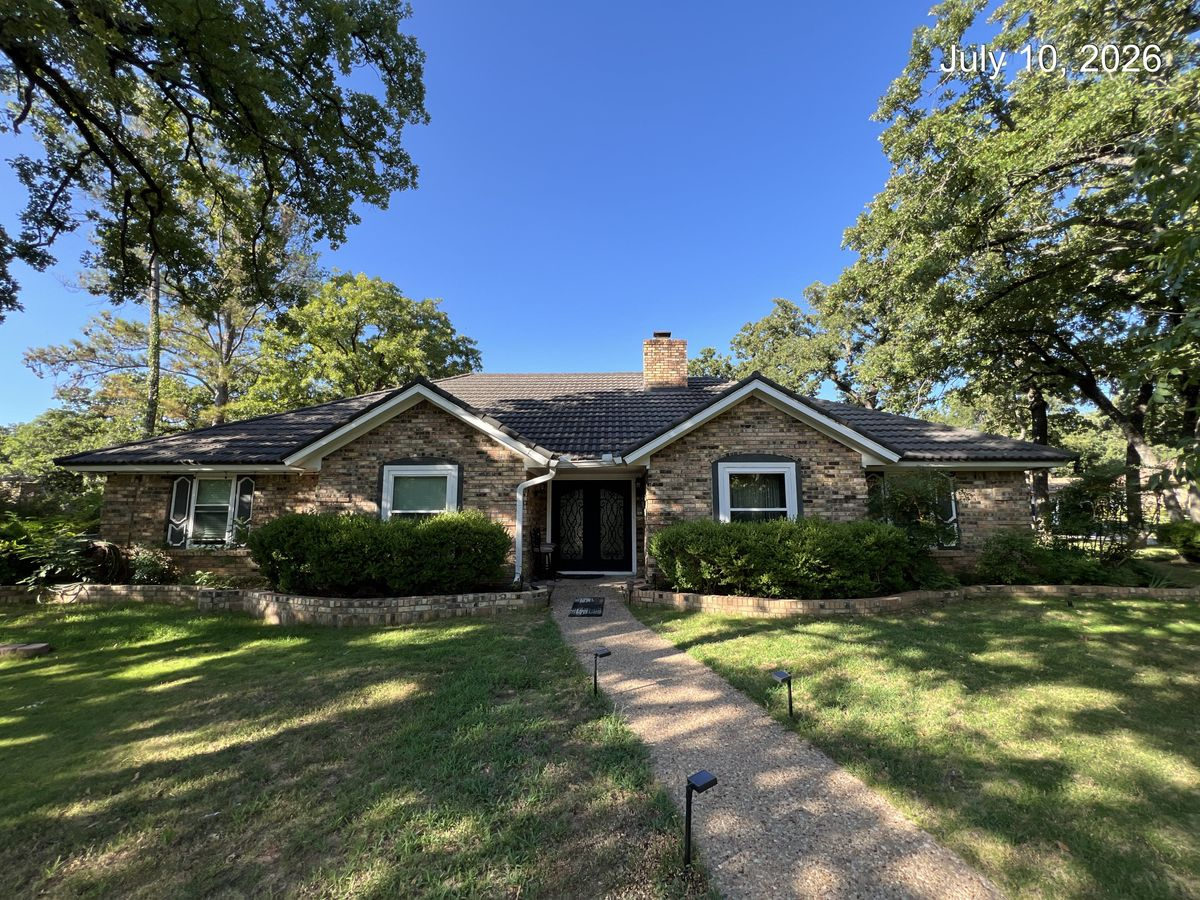
If you and the Texas Windstorm Insurance Association disagree on the amount of a wind loss and your policy contains an appraisal provision, appraisal is the structured process that settles that number: you name one independent appraiser, the carrier names another, and a neutral umpire decides only the items the two appraisers cannot agree on. It resolves the dollar figure — the scope and value of the damage — and nothing else. Whether a given loss is covered under the policy is a separate question that the carrier decides and, where the parties disagree, a court resolves. Knowing that boundary before you start is the single most useful thing a coastal property owner can carry into the process.
The rest of this guide walks through how a TWIA windstorm appraisal actually unfolds, from the language in your policy to the written award at the end.
How a TWIA windstorm file differs from an inland wind claim
TWIA writes windstorm and hail coverage for designated catastrophe areas along the Texas coast — the barrier islands and the counties closest to the Gulf — where standard homeowner carriers often exclude wind. That means a coastal file frequently sits alongside a separate homeowner policy handling other perils, and the two do not always describe the same damage the same way. When a storm drives rain through a wind-created opening, one policy may speak to the wind and another to the water, and the paperwork has to be clear about which damage belongs where.
For appraisal, the practical consequence is that a TWIA windstorm file has to isolate the wind-caused portion of the loss cleanly. The panel is valuing the amount of wind and windborne-debris damage — not sorting out which policy responds. Keeping the wind scope distinct from anything a separate policy might address is what makes the appraisal move efficiently rather than stall in confusion.
Confirm your policy actually allows appraisal
Before anyone drafts a demand, read your own policy. Most property policies — TWIA windstorm policies included — contain an appraisal clause, but the exact wording, the deadlines, and the conditions vary from form to form. Some require that the disagreement be about the amount of loss specifically. Some set a window for naming your appraiser after appraisal is invoked. Check your own policy for its terms rather than assuming the language matches a neighbor's.
Appraisal is designed for a genuine dispute over how much, not over whether the event happened or whether the loss falls within the policy. If the disagreement is really about coverage, appraisal is not the tool — and pushing a coverage question into an appraisal panel only produces an award that does not resolve the actual argument. Our guide on how to invoke the appraisal clause in Texas walks through the mechanics of the demand itself.
Building the wind and windborne-debris record on a coastal roof
Coastal wind damage is a documentation problem as much as anything. High winds lift, crease and displace shingles and metal panels; windborne debris — gravel, branches, torn cladding, roofing from neighboring structures — punctures and abrades surfaces in patterns that differ from hail. A strong evidence record captures both the direct wind effects and the debris strikes, and it does so across the whole roof and envelope, not just the slope that first drew attention.
That means photographs of every elevation, close-ups tied to a location on the structure, and images of soffits, fascia, flashing, ridge caps, and any point where wind may have opened the envelope. On steep, high, or salt-worn coastal roofs, aerial imagery often records what a ground-level look cannot; a drone inspection can put the entire roof surface on the record without anyone walking a fragile deck. The goal is a scope that a second appraiser and, if needed, an umpire can follow line by line — a record that supports the number rather than an argument that asserts it.
What each appraiser does, and why the panel stays on the amount
Once appraisal is invoked, each side selects its own independent appraiser. Your appraiser inspects the property, builds a scope of the wind damage, and develops a valuation — commonly in an estimating platform such as Xactimate so the two sides are comparing line items in the same language. The carrier's appraiser does the same. The two then compare their scopes and try to agree.
Where they agree, that value is set. Where they cannot, those specific disputed items go to the umpire, a neutral third party who reviews the evidence on those points and decides them. An award signed by any two of the three — the two appraisers, or one appraiser and the umpire — resolves the amount of loss. Throughout, the panel's job is narrow and disciplined: quantify the damage. It does not decide fault, it does not interpret coverage, and it does not weigh in on how the claim was handled. That narrowness is what makes appraisal faster and less expensive than litigation for most amount disputes.
Where coverage questions actually go
This is the point coastal owners most often ask about, so it is worth stating flatly: appraisal settles the amount of loss; the policy and the carrier settle coverage. If the disagreement is whether wind or a separate peril caused a particular condition, or whether an item falls within the policy at all, that is a coverage determination — made by the carrier, and where the parties still disagree, resolved by a court. Neither your appraiser, the carrier's appraiser, nor the umpire decides it.
In practice, a well-run appraisal can still help here, because a clear line-item scope makes it obvious which values would apply if a disputed item is later determined to be covered. But the appraisers keep their lane. If you want to understand how coverage and amount interact on a hurricane-related file more broadly, our hurricane damage appraisal page covers the same distinction across wind and water perils.
The documentation gaps that show up in Valley and island files
Certain patterns repeat in coastal files from the Rio Grande Valley and the barrier islands, and each one is avoidable. The most common is an incomplete roof record — the damaged slope photographed thoroughly while the rest of the roof goes undocumented, leaving the full extent of the loss unsupported. Another is a scope that mixes wind damage with pre-existing wear or with damage a separate policy would address, blurring the very line the panel needs kept sharp.
A third gap is the missing date-of-loss anchor: a scope with no clear tie to the storm event that caused it. And a fourth is the temporary-repair record that never gets kept — tarps, board-ups, and mitigation done in the first days after a storm, undocumented, so the pre-mitigation condition is lost. Owners in South Padre Island, Brownsville, and across the Rio Grande Valley who close these gaps early give the panel a record it can actually work from.
How long it takes, and what the award means
There is no fixed statewide clock; timelines depend on the policy's terms, the complexity of the property, scheduling of inspections, and how quickly a neutral umpire can be seated when the appraisers need one. A single-family coastal home with a clean evidence record moves faster than a large or multi-structure property with tangled documentation. What is consistent is that appraisal is generally faster than litigation for a pure amount dispute.
When the panel signs the award, it fixes the amount of loss for the covered portion of the claim. The carrier then applies the policy — deductibles, any recoverable depreciation terms, and payment mechanics — according to its own provisions. The award settles the number; it does not rewrite the policy. That is exactly the trade both sides agreed to when the appraisal clause went into the contract: a binding, evidence-based answer to how much, without a courtroom.
Talk it through before you invoke
If you are weighing appraisal on a Texas coast windstorm dispute and want a neutral read on where your file stands, Marshall Services offers a free consultation. Marshall Smith is an IAUA Certified Professional Appraiser (CPAU) with FAA Part 107 drone certification, serving property owners along the coast and across Texas. Call 972-322-0752 to talk it through before you decide.
Frequently Asked Questions
Can appraisal decide whether my TWIA windstorm loss is covered?
No. Appraisal determines the amount of loss only. Whether a loss is covered at all is a separate determination made under your policy by the carrier and, where the parties disagree, resolved by a court — never by the appraisers or the umpire. If your dispute is really about coverage rather than dollar figures, appraisal is not the mechanism that settles it, though a clear scope can still clarify values.
Do I have to use appraisal, or can I go straight to court?
Whether appraisal is available depends on your policy. Most property policies contain an appraisal clause, but the wording and conditions vary, so check your own policy for its terms. Appraisal is generally faster and less costly than litigation for a genuine disagreement over the amount of loss, while some disputes — particularly coverage questions — may call for other paths. Reviewing your specific situation helps you choose.
Who pays for the appraisal process?
Under most appraisal clauses, each side pays for the appraiser it selects, and the two sides typically share the umpire's fee — but the exact allocation is set by your policy's language, so read it. Because appraisal avoids the extended costs of litigation, many property owners find the amount dispute resolves more economically this way. Confirm the cost terms in your own policy before you invoke.
What kind of evidence helps most in a coastal wind appraisal?
A complete, location-tagged photo record of the entire roof and building envelope, tied to the storm date, is the foundation. Include debris-strike documentation, all elevations, and images of any temporary repairs before they alter the pre-mitigation condition. On steep or fragile coastal roofs, aerial imagery captures what a ground look misses. The stronger and more organized the record, the more efficiently the panel can quantify the loss.
What does a signed appraisal award actually do?
A signed award fixes the amount of loss for the claim, agreed by any two of the three panel members. The carrier then applies the policy's own provisions — deductibles, depreciation terms, and payment mechanics — to that amount. The award settles the number; it does not interpret coverage or rewrite the policy, and it does not decide whether a disputed item falls within your coverage.