What to Budget for the Appraisal Service | Marshall
Before you commit to appraisal, know what you are actually budgeting for. Here is how the fee, the shared umpire cost, and the surrounding expenses fit together — and how the appraisal clause divides them.
By Marshall Smith, IAUA CPAU Certified Insurance Appraiser · Published September 27, 2026 · 7 min read · Filed under Appraisal Process
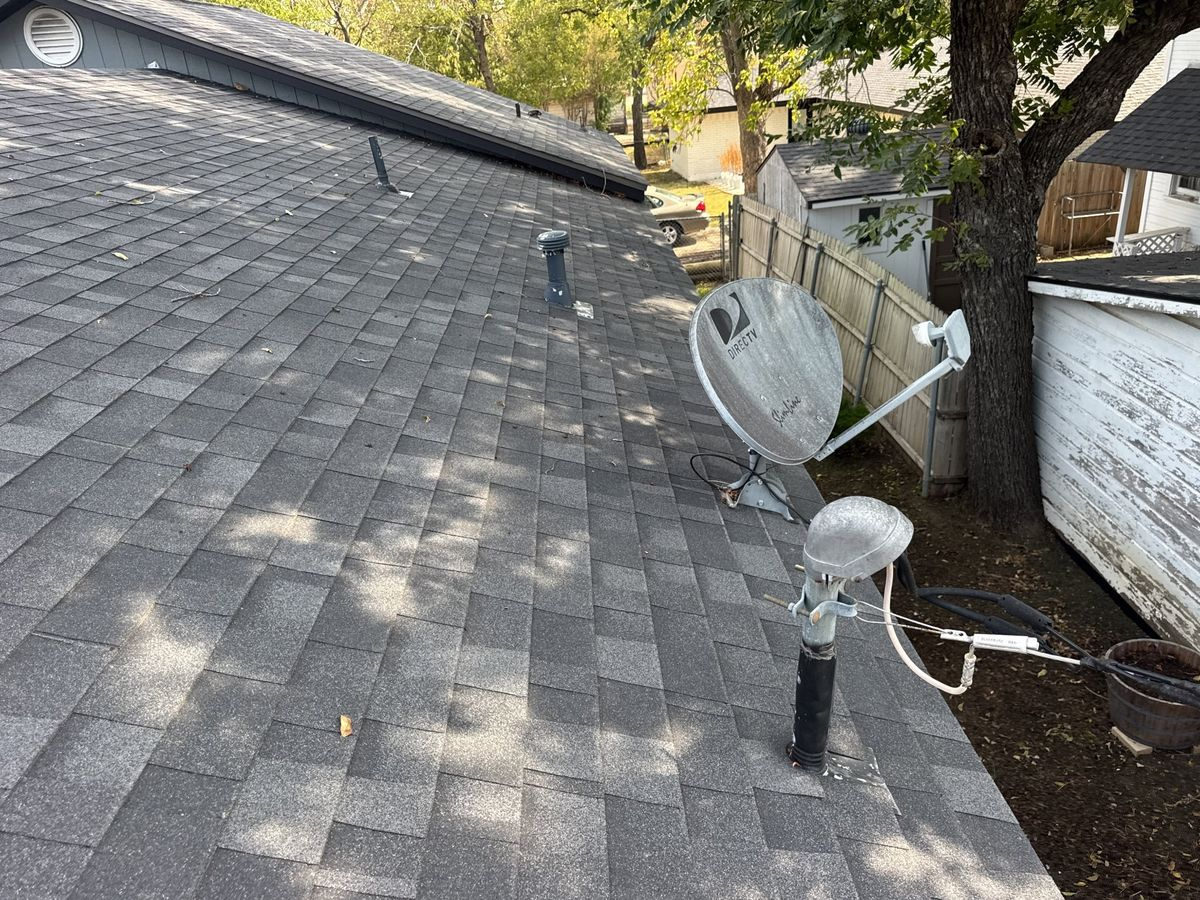
Budget for three separate things: your own appraiser's fee, your share of the neutral umpire's fee if a deadlock sends the dispute that far, and a small allowance for documentation or expert input the file may need. Under a standard appraisal clause, each side pays its own appraiser and the two sides split the umpire's cost — so your budget is your half of the process, not the whole of it. There is no single sticker price, because the appraisal service scales to the size and complexity of the loss it is resolving. What follows is how to build a realistic number before you commit.
Separate the appraiser's fee from the cost of the whole service
The phrase "the appraisal service" bundles several things people tend to price as one. It helps to pull them apart.
The core cost is your party appraiser's fee — the professional you appoint to inspect the property, build a scope of damage, price it, and negotiate the amount of loss with the other side's appraiser. That is the number most people mean when they ask what appraisal costs.
Around it sit costs that belong to the process rather than to your appraiser: the umpire's fee if the two appraisers cannot fully agree, and any supporting work the file genuinely requires — an engineer's opinion on causation, a moisture survey, or drone imagery of a roof that is unsafe to walk. Not every claim needs those extras. But a budget that only counts the appraiser's fee can be surprised by them, so it is worth listing them up front and deciding which your loss actually calls for.
You can see how those pieces relate to the wider dispute-resolution path on our appraisal and ADR overview.
How the appraisal clause divides the cost
Most property policies that contain an appraisal clause spell out who pays for what, and the language is remarkably consistent across carriers. If your policy contains the standard provision, each party pays for the appraiser it selects, and the two parties share the umpire's compensation and expenses equally.
That structure matters for your budget because it caps your exposure at your own half. You are not responsible for the other side's appraiser, and you are responsible for only part of the umpire — check your own policy for its exact wording, since the split and any conditions live in your specific contract. The clause is a mutual mechanism both the policyholder and the carrier agreed to when the policy was issued; it is not something one side imposes on the other. Budgeting for it means budgeting for your defined share, not for an open-ended total.
The umpire fee, and when it actually enters the picture
The umpire is the neutral third party who decides only the specific items the two appraisers cannot agree on. If the two appraisers reach agreement on the full scope and amount — which happens in a meaningful share of files — the dispute closes on their signatures and the umpire is never engaged at all. In that case, the umpire line in your budget stays at zero.
When the appraisers do reach an impasse on certain items, the umpire reviews those disputed points and rules on them, and the umpire's fee is shared as the clause directs. Because you cannot know at the outset whether your file will need an umpire, the practical move is to provision for your share and be glad if you do not spend it. Umpires charge in their own way — some by the hour, some at a flat rate for the assignment — and the total depends on how many items remain in dispute and how much record they must review. You can read more about that role on our umpire services page.
What makes one appraisal cost more than another
Two claims that look similar on paper can carry very different price tags, and the drivers are usually about work volume, not the appraiser's whim.
The size of the property is the obvious one — a single-family roof is a different day than a multi-building apartment complex. So is the complexity of the peril: a clean, recent wind event with obvious damage takes less reconstruction than a loss where the cause and timing are contested or where several perils overlap.
The state of the documentation matters too. A file with organized photos, a dated loss record, and a clear estimate moves faster than one an appraiser has to rebuild from scratch. The gap between the two sides is a factor as well — a narrow disagreement over a few line items resolves quickly, while a wide divergence in scope means more inspection, more measurement, and more negotiation. Finally, access can add cost: a steep or unsafe roof may call for drone imagery instead of a ladder, which is why some inspections use aerial capture rather than a physical climb.
None of these are hidden. A competent appraiser can look at your loss and tell you which of them apply before you sign anything.
How to ask for a quote you can actually rely on
A number given without seeing the file is a guess. To get a figure you can plan around, share the basics up front: the property type, the peril, the date of loss, the current estimate or the carrier's figure, and whatever documentation you already have. The more the appraiser can see, the tighter the estimate.
Ask specifically how the fee is structured — hourly, flat, or contingency where the state and the file permit it — and ask what would change the number after work begins. Ask, too, what is not included, so the umpire share and any expert costs are named rather than assumed. A clear conversation at the start is the difference between a budget and a hope. Our services page lays out what the engagement covers so you know what you are pricing.
Weigh the cost against what appraisal is resolving
The last step in budgeting is proportion. Appraisal exists to settle the amount of loss when the policyholder and the carrier agree that a loss occurred but disagree on how much it will take to repair. It does not decide whether the loss is covered — that determination stays with the policy and the carrier, and where the parties disagree, it is resolved by a court, never by the appraisers or the umpire.
Within its lane, appraisal is generally a faster and lower-cost route to a number than litigation, which is one reason both sides wrote it into the contract. When you weigh your budgeted share against the distance between the two estimates on the table, the question answers itself in most files: if the disputed amount dwarfs your share of the process, the math favors appraisal. If the gap is small, a direct conversation with the carrier may resolve it without invoking the clause at all. Our comparison of appraisal versus litigation walks through that trade-off in more detail.
Talk through your numbers before you commit
The clearest budget comes from a short conversation about your specific loss — the property, the peril, the documentation you hold, and the gap you are trying to close. Marshall Services offers a free consultation to walk through what your appraisal would involve and what your share of it would look like, with no obligation to proceed. Call 972-322-0752 to talk it through before you decide.
Frequently Asked Questions
Does the appraisal service have a fixed price?
No — there is no single fixed price, because the cost scales to the property, the peril, and the amount of work the file requires. A small residential loss with clean documentation sits at one end; a large or multi-building commercial claim with contested causation sits at the other. The reliable way to get a number is to share the property type, the peril, the date of loss, and your current estimate so an appraiser can quote against the actual file.
Do I have to pay for the other side's appraiser too?
No. If your policy contains the standard appraisal clause, each party pays for the appraiser it selects, and the two parties split the umpire's fee equally. Your budget covers your own appraiser plus your defined share of the umpire — not the other side's appraiser. The exact split and any conditions live in your specific policy, so check your own contract for its wording.
What happens to my budget if the appraisers never need an umpire?
Your umpire line stays at zero. When the two appraisers agree on the full scope and amount, the dispute closes on their signatures and no umpire is engaged, so you pay only your own appraiser's fee plus any supporting costs the file actually used. Because you cannot know at the outset whether an umpire will be needed, it is wise to provision for your share and simply not spend it if agreement is reached.
Does paying for appraisal guarantee my claim will be paid?
No. Appraisal determines the amount of loss only — it does not decide whether a loss is covered. Coverage is a separate determination made under the policy by the carrier, and where the parties disagree, it is resolved by a court, never by the appraisers or the umpire. Budgeting for appraisal buys you a binding number on the amount, not a coverage outcome.
Can I get a cost estimate before I officially hire anyone?
Yes. A free consultation lets an appraiser review the basics of your loss and give you a realistic range before any engagement begins. Bringing the property type, peril, date of loss, current estimate, and your documentation makes that estimate tighter. There is no obligation to proceed after the consultation, so you can build your budget first and decide second.