Wind-Driven Rain vs. Flood in Hurricane Appraisals
After a coastal hurricane, water often enters a home two ways at once. Here is how an amount-of-loss appraisal separates wind-driven rain from rising water — and why that line matters to your scope.
By Marshall Smith, IAUA CPAU Certified Insurance Appraiser · Published September 29, 2026 · 8 min read · Filed under Storm Damage
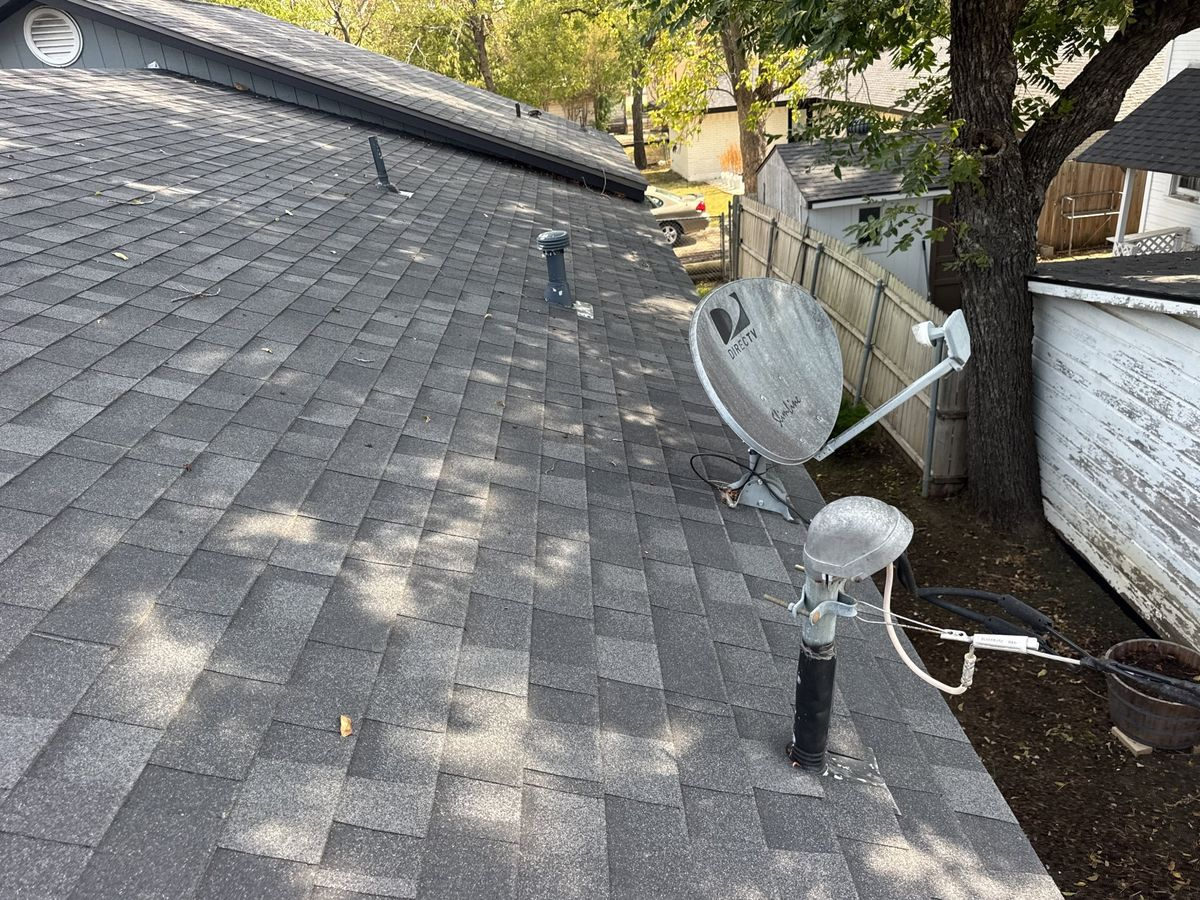
When a hurricane drives water into a coastal home through two different pathways at the same time, an appraisal does not lump the damage together — it separates the loss attributable to wind-driven rain from the loss attributable to rising water and documents the amount of each on its own. That separation matters because these two water pathways are usually addressed under different policies, and a scope that blends them makes the amount of loss almost impossible to reconcile. The appraisal panel settles the amount of loss for each pathway; whether either is covered remains a separate question under your policy, decided by the carrier and, where the parties disagree, by a court.
If you own property along the South Texas coast or in the Rio Grande Valley, this distinction is one of the most consequential things to understand before you invoke appraisal after a named storm.
Why the two water pathways have to be told apart
Wind-driven rain and flood are different physical events that happen to produce similar-looking stains on a wall. Wind-driven rain is precipitation forced into the building envelope by storm winds — through a breach in the roof, around a failed window seal, under a lifted ridge, or through siding that the wind opened up. Rising water, by contrast, is water that accumulated on the ground and entered the structure from below — storm surge pushing inland, bayous and drainage systems overtopping, or sheet flow across saturated ground.
Most residential property programs treat these two pathways under separate policy structures. Wind and the rain that a wind event drives in are typically addressed on a homeowner or windstorm policy — and on the Texas coast, often through a windstorm and hail policy. Rising water is typically addressed under a separate flood policy. Because the two live in different places, an appraisal that cannot say which dollars belong to which pathway leaves everyone — policyholder, both carriers, and any umpire — without a usable number. Getting the categorization right at the scope stage is what makes the rest of the process work.
The physical evidence that points one way or the other
The building itself records how water arrived, and a careful inspection reads that record before a single line item is written. Several categories of evidence tend to distinguish the two pathways:
- Direction and height of staining. Rising water leaves a relatively level tide line around a room, often with a consistent height across multiple rooms on the same floor. Wind-driven rain tends to enter from above or from a wall opening and travels downward and outward, leaving stains that fan from a specific entry point rather than ringing the room at a uniform elevation.
- Sediment, mud, and debris. Ground water frequently carries silt, organic debris, and a characteristic mud line. Rain forced through a roof or wall carries little of that.
- The point of entry. A displaced ridge cap, a punctured roof deck, a blown-in window, or torn flashing above a stain points to rain intrusion. Water marks that begin at the sill plate and rise, with no corresponding breach above, point to accumulation from below.
- Contents and elevation. What got wet, and how high, often tells the story. Low, uniform saturation across baseboards and subfloor reads differently from ceiling and upper-wall damage tracing back to an envelope breach.
No single sign is conclusive on its own. An independent appraiser weighs the whole pattern — roof, envelope, interior elevations, contents, and the sequence the evidence suggests — rather than deciding from one photo.
How each pathway is documented for the amount of loss
Once the pathways are distinguished, each is scoped and priced separately, as if it were its own loss. That means two coordinated but distinct records: one estimate capturing the repair scope for damage attributable to wind and wind-driven rain, and another capturing the repair scope for damage attributable to rising water. Line items that could plausibly belong to either are flagged and reasoned through rather than quietly assigned.
Thorough documentation at this stage usually includes dated photographs keyed to their location in the structure, elevation measurements of water lines, moisture-meter readings that map how far saturation traveled, and a room-by-room scope that ties each repair item to the pathway that caused it. Where damage overlaps — a wall wet from both a roof breach above and rising water below — the scope should say so and apportion the repair rather than double-count it. This is the kind of granular, defensible record described in our guide to water and flood damage insurance appraisal, and it is what allows two separate tracks to be settled without contradicting each other.
Appraisal settles the amount; the policy and carrier govern coverage
It is worth being precise about the boundary here, because coastal claims are where it matters most. Appraisal determines the amount of loss — the scope and cost to repair the damage. It does not determine whether wind-driven rain or rising water is covered under any particular policy. That coverage determination is made by the carrier under the terms of the policy, and where the parties disagree, it is resolved by a court — never by the appraisers or the umpire.
Why does that boundary help you? Because a clean, pathway-by-pathway amount-of-loss figure is exactly what the coverage question needs in order to be answered. When the amount attributable to each pathway is documented independently, the carrier and the policyholder are working from the same numbers, and the coverage discussion can proceed on facts rather than on a blended lump sum that satisfies no one. The appraisal does the measurement; the policy does the coverage.
Coordinating separate flood and windstorm tracks
Coastal claims frequently run on two parallel tracks — a windstorm or homeowner claim and a flood claim — and each may have its own adjuster, its own timeline, and its own appraisal clause. The goal is consistency across both: the same physical evidence, the same measurements, and a scope that does not assign the same square foot of drywall to both files. When the two tracks are documented from a single, coherent inspection, they reinforce each other. When they are documented in isolation, they tend to conflict, and conflicting scopes slow everything down.
An independent appraiser experienced in named-storm losses works to keep the tracks aligned — quantifying wind and wind-driven rain damage on one and rising-water damage on the other, using a shared evidentiary foundation. Our overview of hurricane damage insurance appraisal and the coast-specific TWIA windstorm insurance appraisal page both walk through how those tracks fit together on the Texas coast.
What coastal property owners should document first
Before repairs, drying, or cleanup change the evidence, capture the story the building is telling while it is still legible:
- Photograph water lines before you clean. The tide line, the mud, and the height marks are the single most useful record for distinguishing the pathways. Shoot each room, and include a reference object for scale where you can.
- Record the entry points overhead. Roof, ridge, flashing, windows, and eaves — anything the wind may have opened. Interior ceiling and upper-wall stains should be photographed together with the breach above them.
- Note the sequence if you witnessed it. Whether water came in from above or rose from the floor, and roughly when, is worth writing down while it is fresh.
- Keep everything. Adjuster reports, both policies, prior repair records, and any drying or mitigation invoices all feed a defensible scope.
You do not need to categorize the damage yourself — that is the appraiser's work. You need to preserve the evidence before it disappears. In the Rio Grande Valley and along the coast, where storm response and drying happen fast, this first-week documentation often decides how clean the later analysis can be. Our Rio Grande Valley insurance appraiser page is built around exactly these coastal, mixed-water scenarios.
How an independent appraiser or umpire evaluates mixed water evidence
When appraisal is invoked, each side appoints its own independent appraiser, and the two work to agree on the amount of loss for each pathway. In a mixed-water hurricane claim, that means reasoning from the same physical evidence toward a scope that separates wind-driven rain from rising water item by item. Where the two appraisers cannot agree on particular items, a neutral umpire decides only those disputed items — again, on the evidence of scope and amount, not on coverage.
A neutral umpire evaluating mixed water evidence looks at the same signals a careful inspection would: staining elevation and direction, sediment, entry points, moisture mapping, and whether the proposed apportionment matches what the structure shows. The umpire's award establishes the amount of loss. It does not decide which policy responds — that stays where the policy puts it. Understanding that division of labor is what keeps a two-track coastal claim moving toward a number both sides can rely on.
Talk it through before the evidence dries
If a named storm has driven water into your coastal property through more than one pathway, the categorization of that water is the hinge the whole claim turns on — and it is easiest to get right early. Marshall Services offers a free consultation to talk through your situation as an independent party appraiser or neutral umpire, and to help you understand how the amount of loss would be documented across separate tracks. Call 972-322-0752 to discuss your claim before the evidence fades.
Frequently Asked Questions
Can one appraisal cover both the wind and the flood damage from the same hurricane?
A single appraiser can document both pathways, but the damage is scoped and priced separately because each is typically addressed under a different policy. The inspection uses one coherent set of physical evidence, then splits the amount of loss into a wind and wind-driven-rain figure and a rising-water figure. Keeping the two amounts distinct is what lets each policy's claim be evaluated without the scopes contradicting each other.
How can anyone tell wind-driven rain from flood water weeks after the storm?
The building usually still holds the evidence weeks later, even after drying. A level tide line at a consistent height around a room, mud and sediment, and saturation that begins low and rises point toward accumulated ground water; stains that fan downward from a roof or window breach point toward wind-driven rain. Moisture mapping, elevation measurements, and the location of entry points let an appraiser read the pattern well after the water is gone.
Does the appraisal panel decide whether my flood or wind damage is covered?
No. Appraisal determines only the amount of loss — the scope and cost of repair. Whether wind-driven rain or rising water is covered under any policy is a separate determination made by the carrier under the policy terms, and where the parties disagree, it is resolved by a court, never by the appraisers or the umpire. A clean, pathway-by-pathway amount actually helps that coverage question get answered on facts.
What should I photograph first if water came in more than one way?
Photograph the water lines before you clean or dry anything, because the tide line, mud, and height marks are the most useful evidence for separating the pathways. Then document overhead entry points — roof, flashing, windows, eaves — alongside the interior stains beneath them. Include a reference object for scale, note the sequence if you witnessed it, and keep both policies and any mitigation invoices.
Why do coastal claims often run as two separate claims at once?
Because wind and the rain a storm drives in are typically addressed under a homeowner or windstorm policy, while rising water is typically addressed under a separate flood policy. That means two files, sometimes two adjusters, and potentially two appraisal clauses. Coordinating them from a single inspection keeps the scopes consistent and prevents the same damage from being assigned to both — check your own policies for how each responds.