When Did the Hail Damage Occur? Dating a Hail Loss
The date hail damage occurred is established by reading the physical signatures on the property against verifiable storm records for that location. Here is how that determination is built, and why it matters to a claim.
By Marshall Smith, IAUA CPAU Certified Insurance Appraiser · Published September 18, 2026 · 9 min read · Filed under Storm Damage
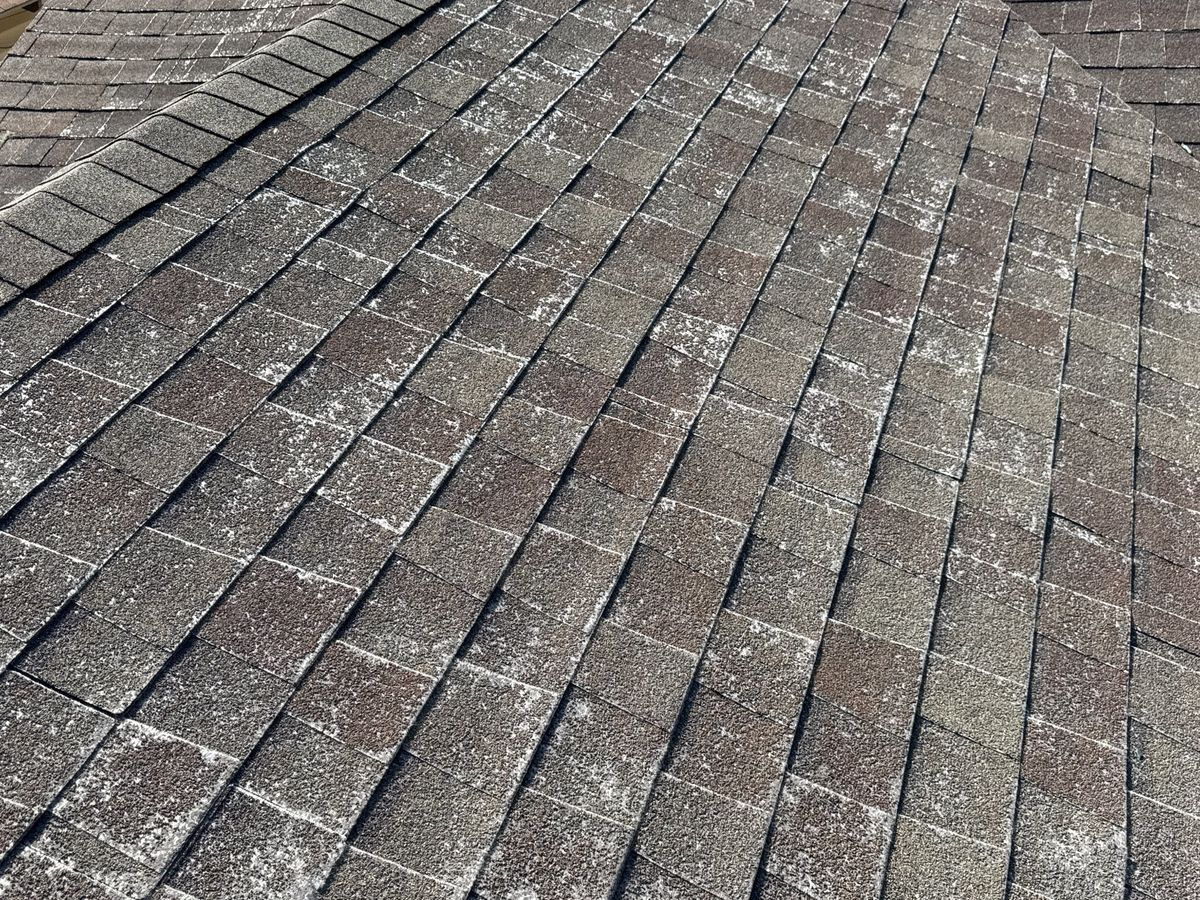
The date hail damage occurred is established by matching the physical damage on your roof and property against verifiable storm records for that address — not by guessing from the day you noticed it. Hail leaves a distinct signature that ages in predictable ways, and most regions keep records of when hail-producing storms moved through. When those two things line up, you have a defensible date of loss. When they do not, you have work to do before a claim or an appraisal can rest on solid ground. This post explains how that date gets pinned down, why it matters, and where the question of when ends and the separate question of how much begins.
Why the date of loss matters in the first place
Most property policies are written around a policy period and around reporting requirements, and both turn on a date. A homeowner who reports a loss needs to place it inside the window their policy was in force, and many policies ask that a loss be reported within a certain time after it happens. The exact terms differ from one policy to the next, so the only reliable guide is your own policy language — but in every version, the date is the hinge the rest of the file hangs on.
The date also anchors the physical investigation. Hail damage that happened last week looks different from hail damage that happened two seasons ago. Establishing when the storm hit tells everyone examining the roof what the impact marks should look like today, and lets them separate the storm-related damage from the ordinary wear a roof accumulates over years. Without a date, the conversation drifts into speculation. With one, it becomes a comparison you can actually run.
What the roof itself tells you about timing
Hail impacts leave marks that change over time, and a trained eye reads those changes as a rough clock. Fresh hail bruising on an asphalt shingle tends to expose the underlying mat, and the exposed area often looks and feels different from the surrounding surface. As months pass, granules continue to shed, edges soften, and the surrounding shingle weathers. On metal, soft metals, and vent caps, dents oxidize and dull. None of this gives a calendar date on its own, but it narrows the window and, just as important, it flags when the physical evidence and a claimed date do not agree.
Collateral surfaces matter too. Hail rarely strikes only the roof. Gutters, downspouts, window screens, fascia, air-conditioner fins, mailboxes, wood fences, and soft outdoor fixtures often carry impact marks that corroborate the same event. Because these surfaces age at different rates than shingles, they add independent reference points to the timeline. A comprehensive inspection looks at all of them, and increasingly it does so from above — drone inspection of a roof captures the upper elevations and steep slopes at high resolution without anyone guessing at what they cannot safely reach.
Matching the damage to a storm record
Physical evidence tells you a loss happened; storm records help tell you when. Many areas keep records of hail-producing storms, including approximate dates, and property owners can research whether hail passed over a specific location during the period in question. The goal is to find a documented storm whose characteristics — timing, path, and reported hail activity — are consistent with the damage on the ground.
Two cautions belong here. First, research the record for your own address rather than assuming a storm that hit one part of a city reached yours; hail swaths are narrow and can miss a neighborhood by a mile. Second, treat any figure you find as something to verify, not to repeat as gospel. When you rely on storm information, keep a note of where it came from so the source travels with the file. A date that can be traced back to its origin is far stronger than one that simply appears in a report with no way to check it. We cover how this evidence is assembled in more depth in how weather data supports a hail or wind appraisal.
When more than one storm is in play
In hail-prone parts of Texas, Oklahoma, Colorado, and beyond, a single roof may have seen several hail events over its life. That is one of the harder timing questions there is: which storm caused the damage now under discussion? The answer comes from comparing the condition of the impacts to what each candidate storm would predict. Older impacts weather; newer ones do not. Impacts from a recent storm may sit alongside faint, healed-over marks from an earlier one, and distinguishing them is a large part of what a careful hail inspection does.
This is also where a defensible date protects an honest claim. A roof with layered damage histories invites disagreement, and the way through it is evidence — condition, corroborating surfaces, and storm records read together — rather than assertion. The more of that evidence you gather before it changes, the cleaner the timing question stays.
When you don't know the exact day
Many homeowners genuinely do not know when the hail hit. Roof damage is often invisible from the ground, and it can be months before a leak, a routine inspection, or a neighbor's roofing project reveals it. Not knowing the day you noticed it is normal and does not by itself undo a claim. What you are trying to establish is the date the damage occurred, which the evidence and the storm record can often reconstruct even when memory cannot.
Start with what you do know: the last time the roof was inspected, replaced, or photographed in good condition, and the first time you saw a problem. That brackets the possible window. Storm research inside that window narrows it further. The physical condition of the impacts narrows it again. You may not land on a single day, but you can often reach a well-supported timeframe — and a documented, honestly reasoned timeframe is a real answer, not a gap.
Dating the loss and pricing the loss are two different questions
Here is the line that matters most. Establishing when the hail damage occurred, and establishing whether that loss is covered under your policy, and establishing the dollar amount of loss are three separate questions handled by different people.
Whether a hail loss is covered at all is a determination made under your policy by your carrier, and where the parties disagree, it is resolved by a court — never by appraisers and never by an umpire. Appraisal exists for a narrower job: when the policyholder and carrier agree there is a loss but cannot agree on how much it will cost to repair or replace, the appraisal process settles that amount. Each side selects its own independent appraiser, and a neutral umpire decides only the items the two appraisers cannot resolve. The date of loss frequently informs both conversations, because it shapes what the damage should look like and what the repair scope should include — but the appraisal panel measures the amount, not the calendar of coverage. You can read more about how a hail file moves through that process on our hail damage insurance appraisal page.
How to build a defensible date-of-loss record
The strongest date-of-loss record is built early, before repairs, weather, and time alter the evidence. Photograph the impacts at close range and with something for scale, capture the corroborating surfaces — gutters, screens, soft metals, fences — and keep any prior roof documentation that shows the pre-storm condition. Write down when you first noticed the problem and preserve whatever storm research you relied on, with its source. Our guide to documenting property damage before appraisal walks through this step by step.
The point of all of it is not to manufacture a date. It is to let the property and the record speak clearly enough that everyone — you, your carrier, and, if it comes to it, an appraisal panel — is working from the same well-supported timeline.
Talk it through before the evidence changes
If you are trying to establish when your hail damage occurred and how it fits an amount-of-loss dispute, Marshall Services offers a free consultation to talk through your file as an independent appraiser or, where appointed, as a neutral umpire. Call 972-322-0752 to discuss what your evidence shows and what your next step should be. Marshall Smith is a CPAU-certified appraiser with FAA Part 107 drone certification, serving property owners across TX, LA, OK, CO, and CA.
Frequently Asked Questions
Can an appraiser tell me the exact day my hail damage happened?
An appraiser can narrow the timing by reading the condition of the impacts against storm records for your address, but an exact calendar day is not always recoverable. Weathering, granule loss, and corroborating surfaces point to a timeframe, and matching that to documented storm activity often tightens it. Where a single day cannot be fixed, a well-documented, honestly reasoned window is the reliable answer — and the physical evidence usually supports it far better than memory does.
Does the date of the hail loss decide whether my claim is covered?
No. The date is a factual anchor, but whether a hail loss is covered is a determination made under your policy by your carrier, and where the parties disagree it is resolved by a court — never by appraisers or an umpire. Appraisal settles only the amount of loss once a loss is acknowledged. The date frequently informs both discussions, but check your own policy for how it treats dates of loss and reporting.
What if I only just noticed hail damage that happened months ago?
Not knowing when you first noticed it is common, because roof damage is often invisible from the ground for a long time. What matters is reconstructing when the damage occurred, which the physical evidence and storm records can often do even when memory cannot. Start by bracketing the window between your last known good roof condition and the first sign of a problem, then research storm activity inside that window. Review your policy for any reporting terms.
How does hail damage help establish its own timing?
Hail impacts age in predictable ways, so their current condition acts as a rough clock. Fresh bruising exposes the shingle mat and looks distinct from surrounding surfaces; over months, granules shed, edges soften, and dents on soft metals oxidize and dull. Comparing the observed condition to what a candidate storm date would predict either supports that date or flags a mismatch worth investigating further. Corroborating surfaces like gutters and screens add independent reference points.
If my roof has been hit by hail more than once, how is the responsible storm identified?
The responsible storm is identified by comparing the condition of the impacts to what each candidate storm would predict, since older marks weather and newer ones do not. A roof can carry layered damage from several events, with faint healed-over impacts sitting beside fresher ones. Reading that condition alongside storm records and corroborating surfaces separates recent damage from historic wear, which is a central part of a careful hail inspection.