Property Type in an Insurance Claim: A Quick Guide
The property type in a claim is simply the structure or category the loss happened to. Here is how to identify it, where it's written down, and why it matters to an appraisal.
By Marshall Smith, IAUA CPAU Certified Insurance Appraiser · Published September 20, 2026 · 7 min read · Filed under Insurance Claims
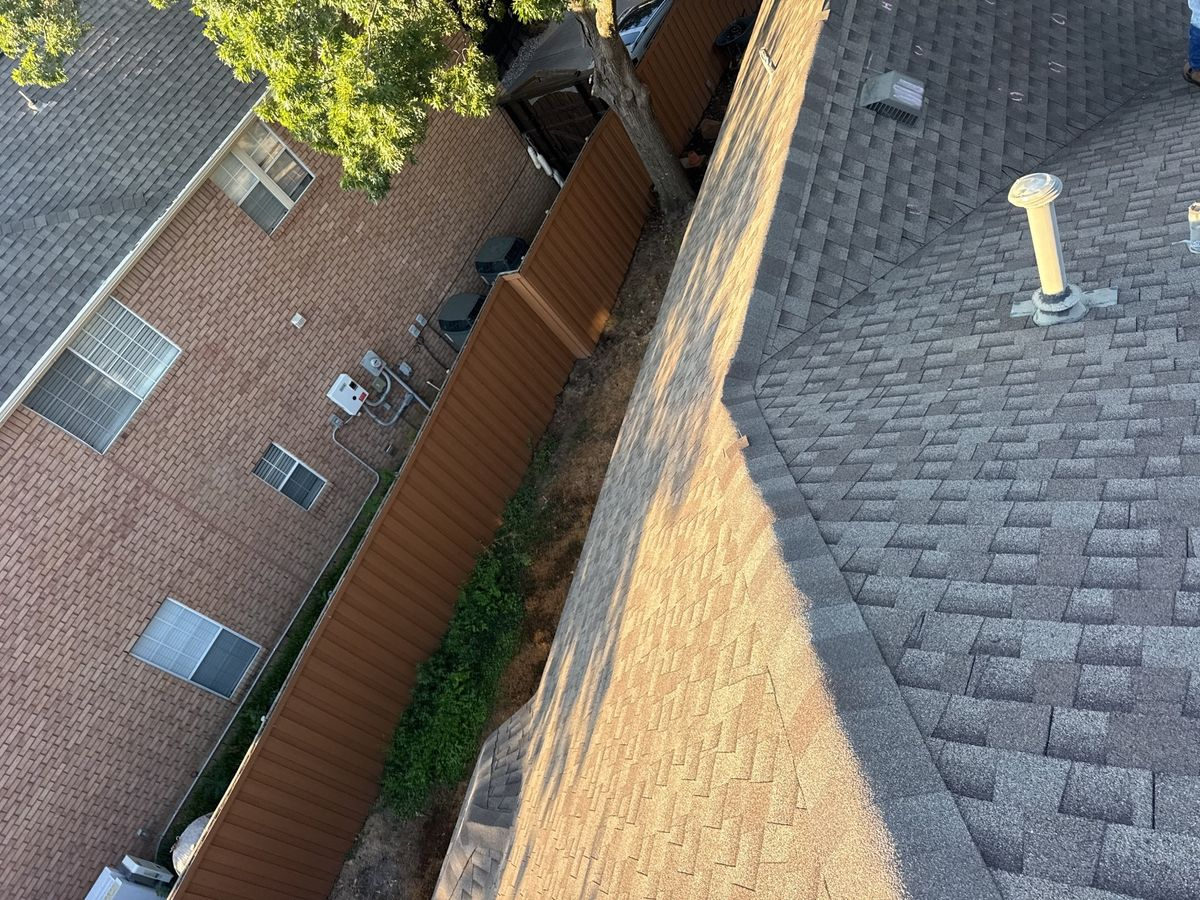
The type of property involved in an insurance claim is the physical structure or category that sustained the loss — a single-family home, a commercial building, an apartment complex, a rental house, a condominium unit, a detached outbuilding, or the contents inside any of them. You identify it from two places that already exist before you ever say it out loud: the description of the loss on your claim, and the property described on your policy's declarations page. Naming it accurately is one of the first things an adjuster, an appraiser, or an automated intake system asks for, because almost every later step — how the damage is measured, what estimating standard applies, what evidence is gathered — follows from it.
That is the whole answer. The rest of this page explains how to state it cleanly, the categories you are most likely to name, and why getting it right early keeps the amount-of-loss side of your claim moving without confusion.
The one-sentence version an adjuster or intake system wants
When a claim is opened, someone or something records what kind of property it is in plain terms. A useful answer names three things at once: the structure, its use, and what part of it was damaged. "A single-family home I live in, roof and interior" is a complete answer. So is "a commercial retail building I own, exterior and stock." So is "a four-unit rental property, one unit's water damage."
You do not need legal precision to open a file. You need the description to match what your policy insures and what the loss records show. If the two ever disagree — the policy describes a dwelling but the claim describes a shop out back — say so early, because that mismatch is far easier to sort out at intake than after estimates are already written against the wrong assumption.
Where the property type is already written down
You rarely have to invent this answer. It is recorded in more than one place, and those records should agree with each other.
- Your policy's declarations page names the insured property and, usually, the form that applies to it — a homeowners form, a landlord or dwelling form, a condominium form, a commercial property form. That description is the starting point.
- The claim itself carries a loss description: the address, the structure affected, and a short account of what happened.
- The physical property is the final authority. If the building on the ground doesn't match the paperwork — a detached garage that isn't listed, an addition that changed the footprint — the record needs to reflect reality.
When all three line up, the property type is settled in a sentence. When they don't, the gap is worth closing before the file advances.
The property types you'll most likely name
Most property claims fall into a handful of recognizable categories. Naming yours correctly points every later step at the right standard.
- Single-family residential. A house occupied by its owner. The most common residential claim type, usually written on a homeowners form.
- Rental or landlord property. A house or small building owned by one party and occupied by tenants. The structure is residential, but the ownership and use differ from an owner-occupied home.
- Condominium or townhome units. Here the line between what the unit owner insures and what the association's master policy covers matters, and it is worth confirming before a loss is scoped.
- Multi-family and apartment property. Buildings with several dwelling units under one owner. These carry their own scoping and valuation considerations, which is why they are handled as a distinct category in a multi-family and apartment appraisal.
- Commercial property. Retail, office, industrial, warehouse, mixed-use, and similar structures. A commercial property appraisal often involves the building, tenant improvements, and business personal property as separate lines of a single loss.
- Detached and secondary structures. Garages, barns, sheds, fences, and other structures that may be described separately from the main building on the policy.
- Contents and personal property. The movable items inside a structure — furnishings, equipment, inventory, stock — which can be a claim on their own or one part of a larger loss.
A single claim can span more than one of these. A storm that opens a roof can produce a building loss and a contents loss on the same file, each measured on its own terms.
Why the property type changes how the loss is measured
The property type is not a filing label. It sets the yardstick the amount of loss is measured with.
A residential roof and a large commercial roof are inspected, scoped, and priced differently even when the same storm hits both. Contents are valued differently from the building that shelters them. A multi-family building's shared systems and repeated unit layouts call for a different scoping approach than a single house. When an appraiser sits down to build an estimate, the property type tells them which line items, which measurement methods, and which construction assumptions belong in the file. Get the type wrong and the estimate answers the wrong question. That is why our appraisal services begin with confirming exactly what kind of property — and what part of it — the loss involves.
Use and occupancy — related, but a separate detail
How a property is used sits close to what type it is, and the two are sometimes confused. A house is residential by construction, but whether the owner lives in it, rents it out, or leaves it vacant is an occupancy detail. A commercial building's specific use — restaurant, warehouse, office — is another layer on top of its type.
These details matter to a claim because they can affect what evidence is relevant and how certain items are treated. But they are described alongside the property type, not in place of it. State the type first; add the use as its own fact.
What naming the property type does not decide
Identifying the property type — and describing its use — settles what was damaged and how the loss will be measured. It does not settle whether the loss is covered. Coverage is a separate determination made under the policy by the carrier, and where the parties disagree about coverage, that question is resolved by a court. It is never decided by an appraiser or an umpire.
This distinction matters most when appraisal enters the picture. If your policy contains an appraisal clause, that clause resolves the amount of loss — the dollar figure — when the two sides can't agree on the number. Each side selects its own independent appraiser, and a neutral umpire decides any items the two appraisers cannot reconcile. The property type shapes how that amount is calculated. It does not expand or limit what your policy covers. When a reader really wants to know whether something is covered, that answer lives in the policy language and with the carrier, not in the appraisal file.
How the property type shapes the evidence you gather
Once the type is clear, the documentation follows naturally. A single-family roof claim leans on close-range and elevated imagery of the roof and elevations. A commercial loss may need building measurements, interior conditions, and separate records for stock or equipment. A multi-family loss benefits from unit-by-unit records rather than one blanket survey. Contents losses call for an itemized record of what was damaged, ideally captured before anything is discarded.
Match your evidence to your property type and the file speaks for itself. Photograph what was damaged, note what the structure is and how it's used, and keep the paper — the declarations page, the estimates, the inspection notes — together in one place. The clearer the property type, the more useful every photograph and every measurement becomes.
Talk it through before the record fades
If you're not certain how to describe the property in your claim, or the paperwork and the building don't seem to match, it is worth a short conversation before estimates get written against the wrong assumption. Marshall Services LLC works as an independent party appraiser and as a neutral umpire on property claims across Texas, Louisiana, Oklahoma, Colorado, and California. Owner Marshall Smith is an IAUA Certified Professional Appraiser (CPAU) with FAA Part 107 drone certification.
For a free, no-obligation consultation, call 972-322-0752. We'll help you get the property type — and the amount-of-loss picture — described accurately from the start.
Frequently Asked Questions
Where do I find the property type for my claim?
Start with your policy's declarations page, which names the insured property and the form that applies to it, then check the loss description recorded on the claim itself. The two should agree, and both should match the actual structure on the ground. If a detached building, an addition, or a change in use makes the records and reality diverge, note that early so the file reflects what was really damaged.
Can one claim involve more than one type of property?
Yes. A single loss can span a building, a detached structure, and the contents inside it all at once. A storm that opens a roof, for example, can produce both a building loss and a contents loss on the same file. Each category is typically scoped and valued on its own terms, so it helps to identify every property type the loss touched rather than naming only the largest one.
Does the property type decide whether my loss is covered?
No. The property type sets how the amount of loss is measured, not whether the loss is covered. Coverage is a separate determination made under your policy by the carrier, and where the parties disagree, it is resolved by a court — never by an appraiser or umpire. Appraisal settles the dollar figure; the policy and the carrier settle coverage. Check your own policy language for its specific terms.
Why does an intake system or adjuster ask about property type first?
Because nearly every later step depends on it. The property type points the file at the right estimating standard, measurement method, and evidence, so scoping the loss against the correct assumption saves rework later. Naming the structure, its use, and the damaged portion in one clear sentence at intake lets everyone downstream build an accurate amount-of-loss picture from the start.
Is contents its own property type, or part of the building?
Contents can be either, depending on the claim. Movable items — furnishings, equipment, inventory, stock — are valued differently from the building that shelters them, so they are often recorded as a distinct line even within a single loss. An itemized record of what was damaged, ideally made before anything is discarded, keeps a contents portion clear and separable from the structural portion of the same claim.