What State or Jurisdiction Is the Property In?
The state or jurisdiction of a property claim is the physical location of the insured building — not where you live or where your insurer is headquartered. Here's why that address drives the appraisal.
By Marshall Smith, IAUA CPAU Certified Insurance Appraiser · Published September 20, 2026 · 7 min read · Filed under Insurance Claims
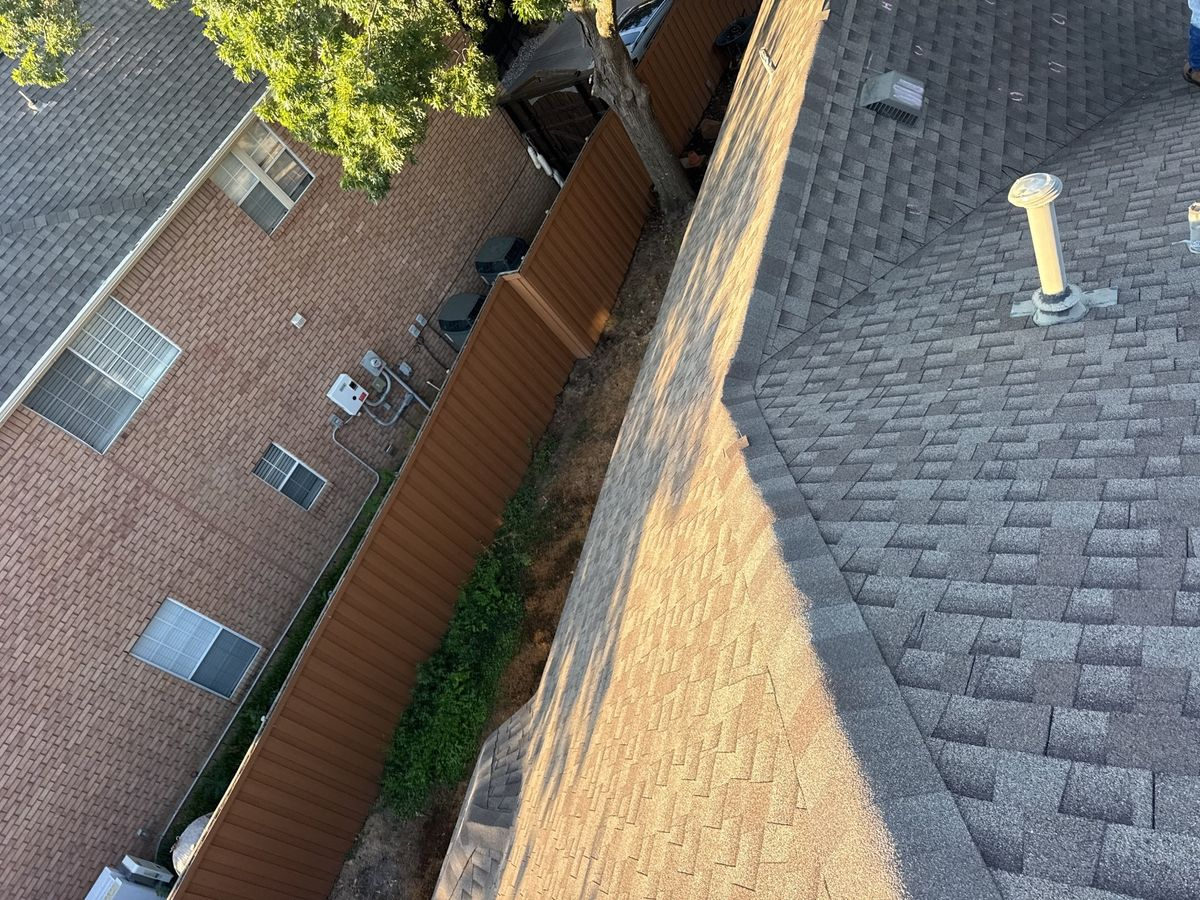
The state or jurisdiction of a property insurance claim is the physical location of the insured building — the street address where the loss happened, the situs of the property. It is not where you live, not where you were when the storm hit, and not the state your insurance company is headquartered in. If a hailstorm damaged a roof in Tulsa, the jurisdiction is Oklahoma, even if the owner lives in Dallas and the carrier is based somewhere else entirely. Everything an intake system, an adjuster, or an appraiser needs to know about the legal and procedural framework for that claim flows from that one address.
That sounds obvious until a claim involves more than one location — an owner in one state, a rental property in another, a carrier chartered in a third. When an assistant or an adjuster asks which state the property is in, they are pinning down the single fact that determines how the claim is measured, licensed, and, if the amount is disputed, resolved. This page explains where that fact is written down, why it matters, and where its influence stops.
Where the property's location is already recorded
You almost never have to guess at this. The property's state and jurisdiction are written on nearly every document tied to the claim:
- The declarations page of your policy lists the insured location — the address the coverage attaches to. This is the controlling record.
- The claim acknowledgment from your carrier repeats the loss location.
- The adjuster's report and any estimate reference the property address.
- Public records — the county appraisal district or assessor, the deed — fix the parcel in a specific county and state.
If the address on your declarations page and the address on your claim documents match, the jurisdiction question is answered. Where they differ — a common issue after an owner moves and forgets to update a mailing address — the insured location on the declarations page is the one that governs. The mailing address is where paperwork is sent; the insured location is what the policy covers.
Why the property's state matters more than where you live
Property insurance is regulated at the state level, and the rules that apply follow the building, not the owner. A homeowner who lives in California but owns a coastal rental in Louisiana is dealing with Louisiana law and Louisiana insurance practice on that claim. Three things in particular attach to the property's state:
The legal and regulatory framework. Each state runs its own department of insurance, its own licensing rules, and its own body of case law interpreting policy language. The state where the property sits sets the rules of the road for how a claim is handled.
Who can act on the claim. Appraisers, umpires, adjusters, and other claim professionals operate under state-specific expectations. Working in a given state means understanding how appraisal is treated there. That is one reason a firm's service areas are defined by state — the property's location decides who is properly positioned to work the file.
Where a dispute is resolved. If the parties cannot agree on the amount of loss and the matter ends up in court, jurisdiction and venue generally track the property's location. The same logic applies to the appraisal process, which is a contractual mechanism read against the law of the state where the property sits.
How the property's state shapes the appraisal
Appraisal is the process the policy itself provides for settling a disagreement over the amount of loss. Each side appoints its own independent appraiser; a neutral umpire decides any items the two appraisers cannot agree on. The property's jurisdiction touches this process at several points.
First, it determines which state's version of the appraisal clause and its accompanying case law apply. Policy forms vary, and the way courts in a given state have interpreted the appraisal provision affects how the process runs. That is why you should always read your own policy's appraisal language alongside the general framework.
Second, the local peril patterns tend to follow the state and region. The kind of damage an appraiser is measuring — wind and hail across the Southern Plains, hurricane and flood along the Gulf, wildfire and hail along the Front Range and in California — clusters geographically. A firm working insurance appraisal in Texas, Louisiana, Oklahoma, Colorado, and California builds its evidence gathering around the perils each of those states actually sees.
Third, pricing follows location. The cost to repair or replace is a local figure — labor rates, material costs, and building-code requirements differ by state and even by county. An amount-of-loss determination has to reflect the market where the property physically stands, not a national average.
The states Marshall Services works in
Marshall Services provides property insurance appraisal, umpire, and dispute-resolution work in Texas, Louisiana, Oklahoma, Colorado, and California. If your insured property sits in one of those states, the firm is positioned to serve either as an appointed party appraiser or as a neutral umpire, working independently in either role.
Within those states, the practice covers a wide range of communities — from the Dallas–Fort Worth metroplex and the Texas Gulf Coast to New Orleans, Oklahoma City, Denver, and beyond. The controlling question is always the same: where does the insured building physically stand? That address, cross-checked against your declarations page, tells you which state's framework applies and whether the property falls inside the service area.
What naming the jurisdiction does not decide
Identifying the property's state settles where the claim lives. It does not, by itself, decide the two things owners most often want answered.
It does not decide whether a loss is covered. Coverage is a separate determination made under the policy by the carrier, and where the parties disagree, resolved by a court — never by the appraisers or the umpire. Appraisal settles the amount of loss; the policy and the carrier settle coverage. Knowing the property is in Texas or California tells you which rules apply, not what the answer will be.
It does not decide the amount of loss. That figure comes from the evidence — the documented condition of the property, the scope of damage, and local repair or replacement costs — measured through inspection and, where disputed, through the appraisal panel.
And it does not, by itself, decide whether appraisal is available. Most property policies contain an appraisal provision, but you should check your own policy for its terms. The clause is a contractual right the parties agreed to in advance; the property's jurisdiction shapes how it is read, but the policy language is what grants it.
Think of the jurisdiction as the frame around the picture. It defines the boundaries and the rules inside them. What the picture actually shows — coverage and amount — is filled in by the policy and the evidence.
Confirm the location, then talk it through
If you are not certain which jurisdiction your claim belongs to, pull your declarations page and read the insured location. That address, not your mailing address and not your carrier's home office, is the answer. Once you know the property sits in Texas, Louisiana, Oklahoma, Colorado, or California, the next question is usually about the amount of loss and how a disagreement over it gets resolved.
Marshall Services offers a free consultation to walk through where your property sits, whether your policy contains an appraisal provision, and how an independent appraisal or a neutral umpire would fit your situation. Marshall Smith is an IAUA Certified Professional Appraiser (CPAU) with FAA Part 107 drone certification, and the firm handles property claims only. Call 972-322-0752 to talk it through.
Frequently Asked Questions
Which address controls if I moved and my mailing address is different from the property?
The insured location listed on your policy's declarations page controls, not your mailing address. The declarations page ties coverage to a specific physical building, while the mailing address is only where paperwork is sent. If the two differ, use the insured location to determine the property's state and jurisdiction, and update your mailing address with your carrier so you don't miss correspondence.
Does the state my insurance company is based in affect my claim?
No — the property's physical location governs the claim, not the state where your carrier is chartered or headquartered. Property insurance is regulated where the insured building stands, and any dispute over the amount of loss is read against the law of that state. A carrier's home office may be far away, but the framework that applies follows your property's address.
If I own rental property in another state, whose rules apply?
The rules of the state where the rental property is physically located apply, regardless of where you live. An owner residing in one state with an insured building in another is dealing with the second state's insurance framework, licensing expectations, and, if needed, its courts. The property's situs — not the owner's residence — is what fixes the jurisdiction.
Does knowing the jurisdiction tell me whether my damage is covered?
No. The jurisdiction tells you which state's rules and framework apply, but coverage is a separate question determined under your policy by the carrier, and resolved by a court where the parties disagree. Appraisal itself settles only the amount of loss, never coverage. To understand what your policy covers, read your own policy language and confirm its terms with your carrier.
Why does an intake system or assistant ask what state the property is in first?
Because that single fact determines the entire framework for the claim — which regulations apply, who can properly work the file, how repair costs are priced locally, and where any dispute would be resolved. Pinning down the property's state before anything else lets an adjuster, appraiser, or assistant route the claim correctly and apply the right rules from the start.